
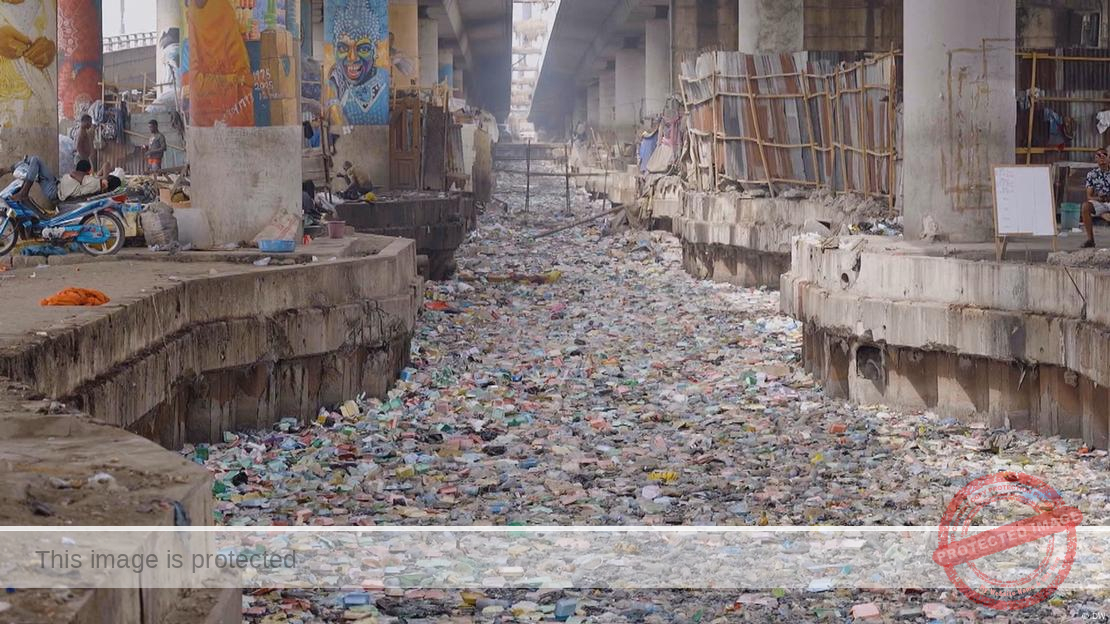
After last year’s failed negotiations in Busan, delegates from 170 countries are reconvening in Geneva from August 5 to 14 to negotiate a legally binding global plastics treaty. The talks mark a critical moment to curb plastic pollution, but tensions remain high between countries pushing for production cuts and those defending industry interests.
What’s at Stake?
-
413 million tons of plastic are produced annually.
-
Only 9% is recycled; the rest ends up incinerated, landfilled, or in the ocean.
-
Microplastics are now found everywhere — including inside the human body.
Delegates in Geneva aim to regulate the entire lifecycle of plastics, from production to design, usage, and disposal.
The Divide: Who Wants What?
High Ambition Coalition (≈100 countries)
Includes EU nations, African and Latin American countries. They’re pushing for:
-
Major reductions in plastic production
-
Toxin restrictions
-
Global policies like bans on single-use plastics
“To meet Paris Climate goals, plastic production must drop by 12–19%,” says Melanie Bergmann, marine biologist at Alfred Wegener Institute.
Like-Minded Coalition (Russia, Iran, Saudi Arabia, etc.)
These oil and plastic-producing nations want:
-
No cap on production
-
Focus on recycling and consumer education
-
Opposition to single-use bans
They argue the crisis is due to poor waste management, not overproduction.
Hypocrisy & Plastic Power
While European countries like Germany are advocating bold reductions, critics point out:
-
Germany is Europe’s largest plastic producer (8M tons annually)
-
North America and Europe consume 85–94 kg of plastic per person, compared to 58 kg in China
“Everyone claims to be ambitious — it’s becoming perverse,” says Aleksandar Rankovic of Common Initiative.
The Plastics Lobby Is Pushing Back
Industry groups like Plastics Europe warn against “oversimplified” production caps.
“We need system-wide collaboration,” says Virginia Janssens, its managing director.
Meanwhile, scientists say lobbying is undermining research and credibility:
-
Some researchers, like Sweden’s Bethanie Carney Almroth, have faced intimidation and smear campaigns
-
Last year’s talks saw more industry lobbyists than EU delegates
What Will Geneva Deliver?
Experts believe a framework agreement, not a final treaty, is the most likely outcome. The goal is to build on it over time, as plastic production is projected to double by 2045.
“We have a historic opportunity to get the plastic problem under control,” says Bergmann.
“If I didn’t believe we could achieve something here, I wouldn’t be going.”
This story is developing. The Geneva talks continue until August 14.

