
Households across the UK face another hit to their budgets as Ofgem confirmed today that energy bills will rise by 2% in October. The new energy price cap will see the average annual household bill increase from £1,720 to £1,755.
What Happened
On Wednesday morning, energy regulator Ofgem announced that the price cap would rise this autumn. The cap sets the maximum amount suppliers can charge households on standard variable tariffs, which covers the majority of homes in the UK. While Ofgem stressed that the rise is below inflation, it acknowledged that many households are still struggling with the cost.
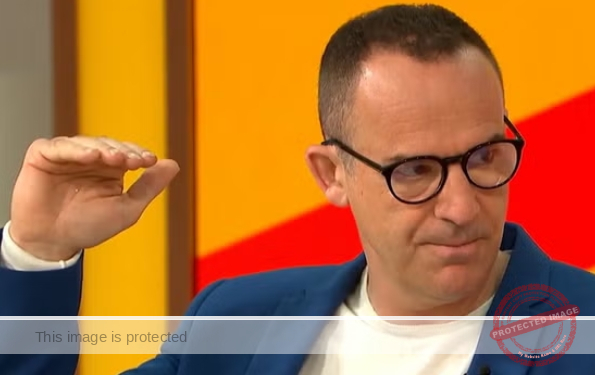
Martin Lewis’ Advice
Money expert Martin Lewis urged households to take stock of their energy deals and consider moving to a fixed tariff. He explained that several fixed-rate deals are currently up to 15% cheaper than the new price cap, potentially saving customers around £250 a year.
Lewis wrote on social media:
-
“Now we know the Cap is now pretty certain to stay at about its current level, or a little higher, until the end of 2025, it’s easy to compare to the cheapest fixed deals.”
-
“For getting a cheap fix right now not to be worth it we’d need to see pretty immediate and monumental falls in wholesale rates – which no one is predicting.”
Energy Suppliers Offering Fixed Deals
According to Lewis, households can currently find competitive fixed tariffs with:
-
Outfox Energy – up to 14.8% below the cap (exit fees: £75 per fuel)
-
Fuse Energy – 12.7% below the cap (exit fees: £50 per fuel)
-
Ecotricity – 10.5% below the cap (exit fees: £75 per fuel)
-
Octopus Energy – 3.4% below the cap, no exit fees (flexibility if the cap later falls)
While some deals offer bigger discounts, most come with early exit fees. Octopus stands out for its flexibility, as customers can leave if prices drop without penalties.
Ofgem and Government Response
Ofgem’s director general of markets, Tim Jarvis, advised households to explore fixed tariffs, as well as consider direct debit or smart pay-as-you-go payment methods, which can also reduce costs.
Meanwhile, Labour criticized the previous Conservative government for overreliance on overseas fossil fuels, blaming it for the UK’s high energy costs. A Labour spokesperson warned that Nigel Farage’s opposition to clean energy could worsen the crisis, threatening jobs, investment, and national energy security.
What Happens Next
Analysts suggest that wholesale prices are unlikely to drop significantly in the near future, meaning fixed deals could remain better value than staying on the price cap. Consumers are advised to carefully weigh the savings against potential exit fees before making a switch.
This story is developing and will be updated as more information becomes available.
