
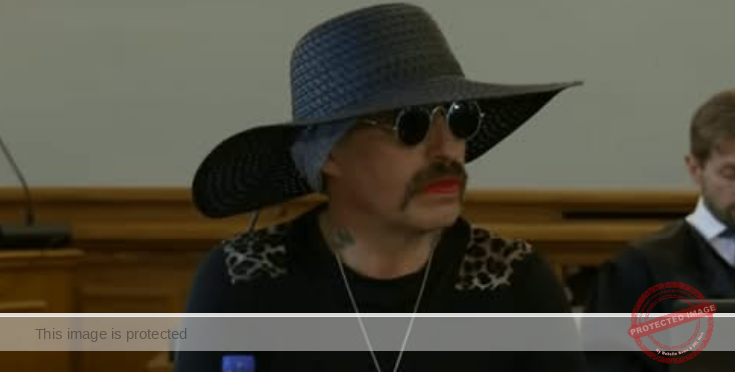
A high-profile case in Germany is reigniting fierce debate over the country’s new Self-Determination Act, a law designed to make it easier for adults to legally change their gender.
From Neo-Nazi Leadership to Women’s Prison
Marla-Svenja Liebich, once a leading figure in the neo-Nazi group “Blood and Honor,” spent decades spreading hate, using phrases such as “trans-fascism” and “parasites of society.”
In 2023, Liebich was convicted of incitement to racial hatred, defamation, and related crimes, ultimately receiving an 18-month prison sentence after exhausting all legal appeals.
Weeks after the gender identity law came into force in late 2024, Liebich legally registered as a woman. Now, she has been ordered to begin her sentence at the JVA Women’s Prison in Chemnitz, sparking controversy across the political spectrum.
Government Pushback on the Self-Determination Act
Germany’s conservative-led government, along with progressive activists, suspect Liebich may be exploiting the law to secure more favorable prison conditions.
Interior Minister Alexander Dobrindt (CSU) has already announced plans to reevaluate the act, warning that the Liebich case could set a dangerous precedent. CDU lawmaker Günter Krings argued that legal gender changes in Germany are currently “too easy.”
The Self-Determination Act, introduced by the previous SPD-Green-FDP coalition, replaced the restrictive 1980 Transsexuals Act, which had forced trans people to undergo medical exams and counseling. At its passage, LGBTQ+ activists hailed it as a long-overdue milestone for human rights.
Activists Warn Against Scapegoating
Queer rights groups, however, argue that using Liebich’s case to undermine the law is misguided.
“The Self-Determination Act is intended to strengthen the human rights of trans and non-binary persons,” said Theresa Richarz of the LSVD, noting that this individual case is being weaponized to fuel anti-trans discourse.
Green Party MP Nyke Slawik echoed this sentiment, warning that rolling back rights because of a single controversial case would be “populist and appalling.”
Prison Authorities Respond
Concerns have been raised about the safety of other inmates, given Liebich’s record of hateful rhetoric.
The Chemnitz prison authority confirmed that new inmates undergo medical and psychological intake assessments, and individuals can be relocated or separated if deemed a risk. Unless such a referral is made, Liebich will remain in the women’s facility.
Activists stress that trans people remain highly vulnerable in prison and that safeguarding gender identity is essential—even in difficult cases like Liebich’s.
A Broader Context
Germany has seen a sharp rise in hate crimes against LGBTQ+ individuals, with government data showing nearly a tenfold increase between 2010 and 2023.
For many, the Liebich case is less about one extremist and more about whether a democracy should allow a single bad-faith actor to roll back protections for an already marginalized community.
This story is still developing as debates continue over the future of Germany’s gender identity laws.
