
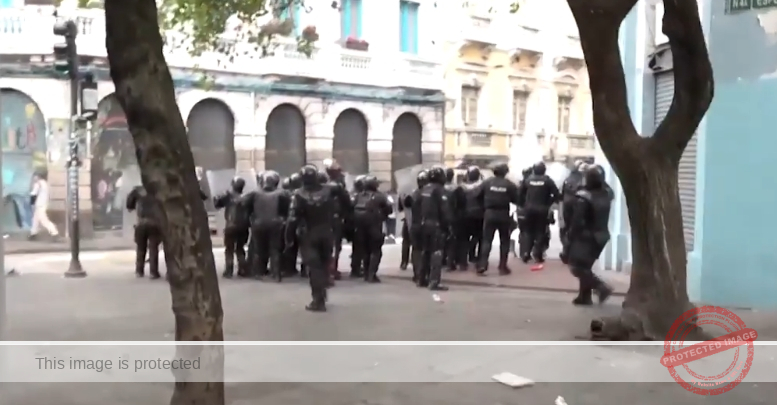
Ecuador’s President Daniel Noboa has declared a 60-day state of emergency after nationwide protests erupted over his government’s abrupt decision to eliminate a decades-old diesel subsidy. The unrest has led to clashes between demonstrators and security forces, raising concerns about economic strain and political stability.
What Happened
On Tuesday, Noboa issued a decree declaring a state of emergency across seven provinces following what officials described as “severe internal disturbance.” The order mobilized both armed forces and national police to maintain order and protect public services.
The U.S. embassy in Ecuador clarified that the emergency declaration does not impose a curfew or restrict general movement but does suspend the right to public assembly when protests disrupt essential services.
Footage from Quito, the capital, showed protesters clashing with riot police, dismantling fences, and pushing through barriers as security forces responded with tear gas.
Why the Protests Began
The unrest began after the government announced last Friday that it would scrap the long-standing diesel subsidy starting Saturday. The move instantly increased fuel prices from $1.80 to $2.80 per gallon.
For decades, the diesel subsidy cost the government around $1.1 billion annually. Noboa’s administration argued that the program disproportionately benefited wealthier individuals and industries rather than low-income Ecuadorians. Officials said funds saved would be redirected toward social programs to ease fiscal pressure.
Government Response and Economic Measures
To soften the impact, the government pledged $220 million in financial support for the transportation sector, aiming to prevent bus and taxi fares from rising. Additionally, a price stabilization mechanism is expected to take effect on December 11 to shield consumers from volatile global fuel costs. However, details of the plan remain unclear.
Despite these measures, critics fear the removal of subsidies will push additional costs onto Ecuador’s poorest communities, who are already struggling under economic hardship.
Public and International Reactions
Protesters across the country have expressed frustration, warning that higher fuel prices will lead to increased costs for food, transportation, and other essentials. The demonstrations reflect a wider distrust of government austerity measures in a nation with a history of subsidy-related unrest.
The U.S. State Department, while acknowledging the protests, has not updated its travel advisory, which currently urges American citizens in Ecuador to “exercise increased caution” and avoid large gatherings where violence could occur.
What Happens Next
The Noboa administration insists that subsidy reform is crucial for Ecuador’s financial health and that savings will be reinvested into programs to support vulnerable populations. But with protests showing no sign of slowing, the coming weeks will test whether the government can maintain stability while pushing forward with unpopular reforms.
This story may be updated with more information as it becomes available.

