
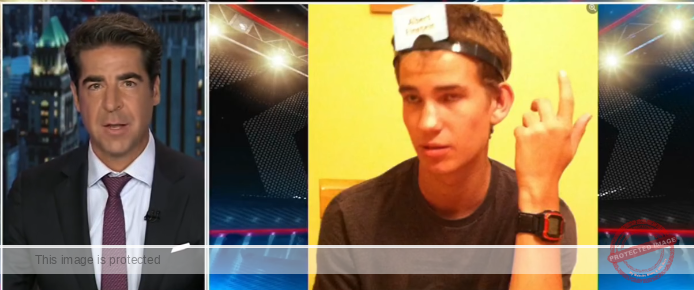
In the wake of the attempted attack on Supreme Court Justice Brett Kavanaugh, political commentator Jesse Watters stirred controversy with remarks about the suspect’s gender identity. During a broadcast, Watters said, “The man who attempted to kill Brett Kavanaugh isn’t a man. He’s transgender.”
Watters’ comments drew immediate backlash from civil rights advocates and LGBTQ+ organizations, who condemned the statement as inflammatory and misleading. “Linking criminal behavior to gender identity is not only inaccurate, it fuels harmful stereotypes,” said one spokesperson from the Human Rights Campaign.
Authorities have confirmed the suspect’s arrest and ongoing investigation, but have not released information linking gender identity to motive. Legal experts caution against drawing assumptions based on identity rather than facts. “The focus should remain on the alleged actions and the legal process, not on personal characteristics that have no bearing on the crime,” said criminal law attorney Dr. Emily Harris.
The suspect, whose identity has been partially withheld due to legal protections, faces serious federal charges. The FBI and U.S. Marshals Service are continuing their investigation.
Watters’ remarks highlight the challenges of media commentary in high-profile cases, where speculation can easily overshadow verified information. Experts emphasize responsible reporting and careful language, particularly when discussing marginalized communities.
The case remains under investigation, with authorities urging the public to refrain from spreading unverified claims as the legal process unfolds.
