
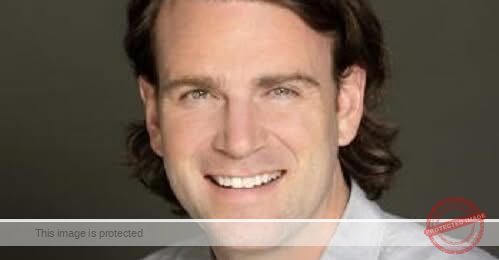
Dr. Nolan R. Williams, a respected Associate Professor of Psychiatry and Behavioral Sciences at Stanford University, has tragically passed away at the age of 53. Known for his groundbreaking work in neuropsychiatry, Dr. Williams was a leading scientist and clinician who dedicated his career to advancing treatment for mood and neuropsychiatric disorders. His untimely death has left an indelible mark on the academic and medical communities, with his contributions and legacy continuing to inspire those who worked with him.
A Visionary in Neuropsychiatry
Dr. Williams was the Director of the Stanford Brain Stimulation Laboratory, where he led pioneering research on brain modulation therapies. His work focused on innovative techniques such as transcranial magnetic stimulation (TMS), offering new hope to patients with conditions like depression, anxiety, and other mood disorders. His contributions to neuromodulation therapies have been recognized globally, positioning him as a leader in the field of neuropsychiatry.
Through his innovative research, Dr. Williams transformed the treatment landscape, helping countless patients regain control over their mental health. His groundbreaking work has shaped the future of psychiatry and neurology, laying the foundation for ongoing advancements in the treatment of mood and neuropsychiatric conditions.
A Dedicated Educator and Mentor
Beyond his scientific contributions, Dr. Williams was deeply committed to education and mentorship. He was known for his nurturing approach, taking the time to guide and support young scientists and clinicians. His students and colleagues describe him as a thoughtful and compassionate professional, always eager to share his expertise and foster the next generation of leaders in the field. His influence will be felt by many as they carry forward his legacy in the pursuit of mental health advancements.
A Legacy of Hope and Innovation
Dr. Williams’ passing leaves a void in both the academic and medical communities. His dedication to improving patient outcomes and advancing scientific knowledge will continue to influence the field of psychiatry for years to come. His legacy lives on through his research, the students he mentored, and the countless individuals who benefited from his work in neuropsychiatry.
While his loss is deeply felt, Dr. Williams’ contributions to mental health treatment will remain a guiding light for future generations. He will be remembered for his exceptional intellect, unwavering compassion, and commitment to making the world a better place for those battling mental health challenges. Rest in peace, Dr. Williams. Your impact will never be forgotten.
