
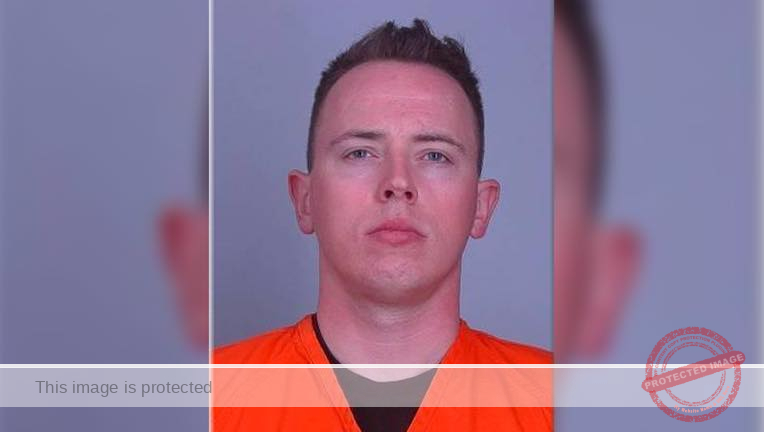
Jeremy Plonski, a former Minnesota State Trooper, has pleaded guilty to producing and distributing child sexual abuse material (CSAM) involving an infant. The plea deal has sparked outrage as some charges are being dismissed, while state charges for sexual assault remain pending.
What Happened
Plonski, once entrusted with protecting the public, admitted guilt to two federal counts: producing and distributing CSAM. Under a plea agreement, two additional federal charges will be dismissed at sentencing. This means that while he admitted to abhorrent acts involving a baby, some of the charges related to his crimes will not move forward federally.
Despite the plea deal, Plonski still faces state-level charges for sexual assault of the same infant. Advocates say the situation highlights gaps in the justice system and the controversial nature of plea agreements for predators.
Public Reaction
The case has ignited widespread outrage online and in the community. Many question how someone in a position of authority could commit such a heinous crime and receive a plea deal. Activists and concerned citizens have launched petitions calling for stricter measures and an end to plea deals for offenders of crimes against children.
One such petition urges lawmakers and the public to ensure that predators do not receive preferential treatment over the victims they harm. The petition can be found here: https://bit.ly/42R2dEr.
Legal Context
Plea deals are often used in the federal system to secure a conviction without a lengthy trial, but in cases involving children, they can be deeply controversial. Advocates argue that negotiating charges for someone who abused an infant undermines public trust and the protection of the most vulnerable.
State charges remain pending, and authorities continue to investigate Plonski’s actions in full, seeking to hold him accountable for all aspects of the crime.
Closing Line
This story may be updated as the case progresses. Public awareness and advocacy are critical to ensuring justice for the victim and preventing similar outcomes in the future.
