
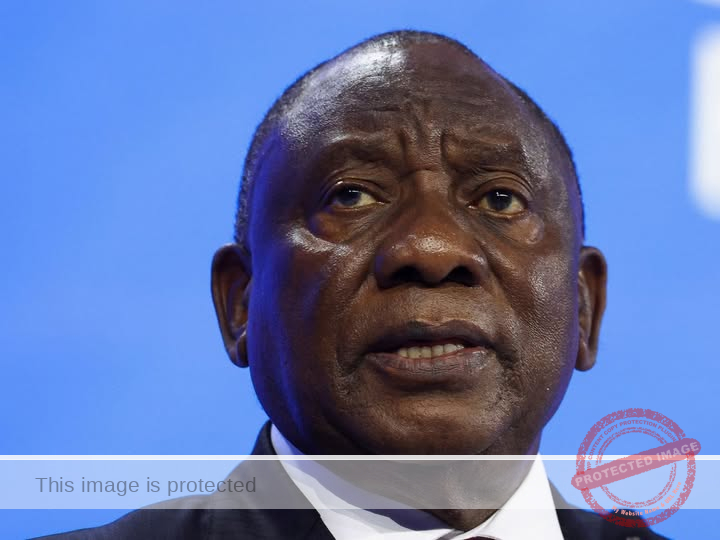
South African President Cyril Ramaphosa has confirmed that his country’s ongoing genocide case against Israel at the International Court of Justice (ICJ) will proceed unaffected by the recent ceasefire agreement in Gaza. Despite the US-backed peace deal, Ramaphosa emphasized South Africa’s commitment to legal action.
What Happened: South Africa’s Legal Action Against Israel
In December 2023, South Africa filed a case at the International Court of Justice accusing Israel of committing genocidal acts in Gaza. The case, which has drawn significant international attention, was spurred by escalating violence and humanitarian crises in Gaza, leading to calls for accountability for actions that have resulted in the deaths of more than 67,000 Palestinians since October 2023.
South Africa’s submission includes a detailed 500-page document filed in October 2024, accusing Israel of violating international law. The ICJ’s provisional measures have already instructed Israel to prevent genocidal acts and allow humanitarian aid into Gaza, though reports suggest that Israel has not fully complied with these orders.
Despite the widely welcomed ceasefire agreement brokered by the United States, President Ramaphosa reassured parliament that the case would continue without interruption. “The peace deal that has been struck, which we welcome, will have no bearing on the case that is before the International Court of Justice,” Ramaphosa said on Tuesday in Cape Town. “The case is proceeding, and it now has to go to the stage where Israel has to respond to our pleadings that have been filed in the court, and they have to do so by January of next year.”
Timeline of Legal Proceedings
Following South Africa’s initial submission, Israel is required to respond to the pleadings by January 12, 2026. Oral hearings are expected to take place in 2027, with a final judgment anticipated in late 2027 or early 2028. The outcome of the case could have significant ramifications for Israel, as it faces mounting international scrutiny and allegations of genocide, which Israel has vehemently denied.
International Support and Reactions
The legal case has drawn widespread international support for South Africa’s position, with several countries, including Spain, Ireland, Turkey, and Colombia, declaring their intention to back the case. Spanish Prime Minister Pedro Sanchez, a vocal critic of Israel’s actions, echoed sentiments that the ceasefire should not shield Israel from accountability. “There cannot be impunity,” Sanchez said, stressing that those responsible for the alleged genocide must answer for their actions.
Francesca Albanese, the United Nations special rapporteur on the occupied Palestinian territory, also weighed in, stating on social media, “Peace without justice, respect for human rights and dignity, without reparations and guarantees of non-repetition, is not sustainable.”
Several rights organizations, including Amnesty International and Human Rights Watch, have accused Israel of committing genocide in Gaza, with a UN commission of inquiry supporting these allegations in September 2025.
The Role of South Africa in International Accountability
South Africa, which co-chairs The Hague Group—a coalition formed in January 2025 focused on holding Israel accountable—has been vocal in calling for legal, diplomatic, and economic measures against Israel. The group seeks to ensure that international bodies, such as the ICJ, have the authority to address allegations of genocide and other violations of international law.
What Happens Next: The Road to Justice
As the case progresses through the ICJ, the eyes of the international community will be on the proceedings. The legal battle is expected to intensify in the coming years, with the potential to reshape global perspectives on Israel’s actions in Gaza and the broader Middle East conflict. The question of justice for the victims of the Gaza conflict remains at the heart of this case.
Closing Line
This story may be updated with more information as the legal proceedings continue and further developments unfold.
