
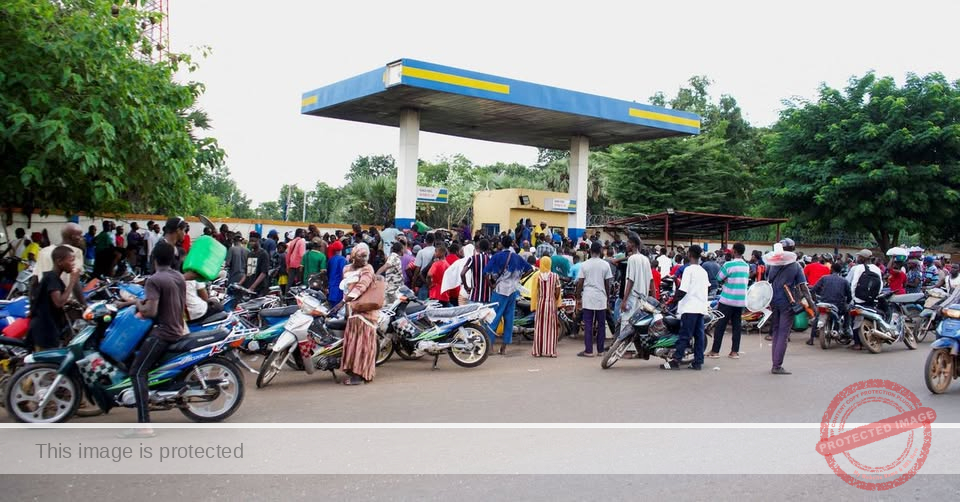
WASHINGTON, Oct 28 (Reuters) – The United States has issued an urgent warning for Americans in Mali to leave the country immediately using commercial flights as al Qaeda-linked insurgents impose a fuel blockade and the security situation worsens. The U.S. government has escalated its travel advisory for Mali, urging citizens to evacuate due to the mounting risks posed by the ongoing conflict and disruptions in essential supplies.
What Happened
The warning comes as the Mali government faces increasing pressure from militant groups, particularly Jama’at Nusrat al-Islam wal-Muslimin, an al Qaeda-affiliated insurgent group. In early September, the group initiated a blockade on fuel imports into the landlocked West African country, effectively halting supplies of gasoline and diesel. Since then, militants have targeted fuel tankers attempting to enter the country, further crippling essential transportation and the economy.
The Malian government has responded to the escalating crisis by suspending school and university classes nationwide for two weeks due to the severe fuel shortage. The situation has become increasingly volatile, especially around the capital, Bamako, where the U.S. embassy has highlighted ongoing conflicts between government forces and terrorist elements.
U.S. Embassy Statement
The U.S. embassy in Mali described the situation as “highly unpredictable” and noted that the country’s infrastructure challenges, including persistent fuel shortages, have contributed to a deteriorating security environment. The embassy emphasized the ongoing armed conflict around Bamako, advising Americans to avoid traveling by land to neighboring countries due to the heightened risks of terrorist attacks along national highways.
“Persistent disruptions of gasoline and diesel supplies, the closure of public institutions such as schools and universities nationwide, and ongoing armed conflict between the Malian government and terrorist elements around Bamako increase the unpredictability of Bamako’s security situation,” the embassy said in a statement.
The U.S. embassy also urged Americans to make contingency plans for sheltering in place for an extended period if they choose to remain in Mali. The embassy further clarified that it cannot provide assistance to U.S. citizens outside the capital, Bamako, emphasizing that the airport in the city remains operational.
U.S. Government Actions
As part of its efforts to ensure the safety of American citizens, the U.S. State Department authorized the departure of non-emergency U.S. government personnel and their families from Mali on Friday, citing security risks. This follows the embassy’s decision to elevate Mali’s travel advisory to level 4, meaning “do not travel.” This heightened advisory underscores the escalating dangers faced by those remaining in the country.
Public and International Reactions
The fuel blockade and its impact on Mali’s economy and public institutions have sparked widespread concern. Analysts suggest that the blockade is part of a larger strategy by militant groups to pressure Mali’s military-led government, cutting off the country’s “economic oxygen.” The U.S. travel advisory has been met with responses from international bodies, urging greater attention to Mali’s worsening security and humanitarian crisis.
Local residents and expatriates in Mali are facing increasingly difficult circumstances as fuel shortages limit transportation and essential services. The blockade, compounded by the ongoing conflict, is causing widespread disruptions to daily life, including critical supplies of food and medicine.
What Happens Next
The U.S. embassy has advised Americans in Mali to leave immediately while commercial flights are still available. For those who remain in the country, the embassy recommends preparing contingency plans, including potential shelter-in-place arrangements. As the situation remains fluid, U.S. authorities continue to monitor the security environment closely.
Closing Line
This story may be updated as more information becomes available. The U.S. government, in coordination with international partners, continues to monitor the situation in Mali closely, offering guidance and support to American citizens affected by the ongoing crisis.
