
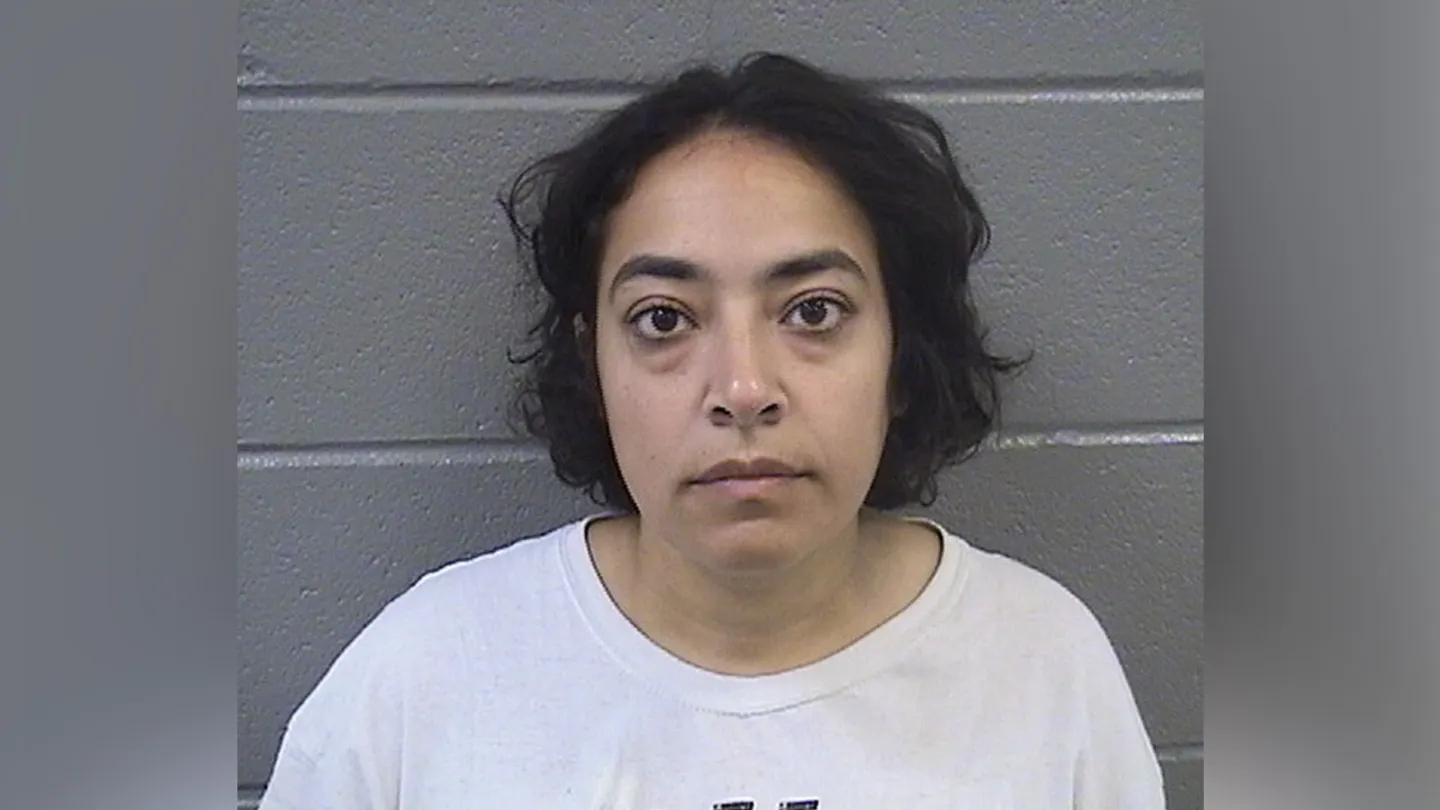
Chicago, IL – November 2025 – Eman Abdelhadi, an assistant professor at the University of Chicago, was arrested on October 3, 2025, during an anti-ICE rally outside the Broadview, Illinois, ICE processing facility. The 35-year-old academic faces charges including two felony counts of aggravated battery to a government employee and two misdemeanor counts of resisting and obstructing a peace officer. However, over a month later, the University of Chicago has yet to disclose whether Abdelhadi has been disciplined or remains employed.
What Happened: The Arrest and Aftermath
On October 3, Abdelhadi was arrested during a demonstration protesting the presence of ICE in the local community. Video footage from the rally showed the professor being detained, and she has since been charged with serious criminal offenses stemming from her actions during the protest. The arrest has drawn significant attention due to Abdelhadi’s role as an educator and her outspoken activism.
Despite several requests from Fox News Digital and other outlets, the University of Chicago has refused to comment on her current employment status or any disciplinary measures. Abdelhadi’s faculty profile is still live on the university’s website, and her personal social media accounts continue to reference her as an active assistant professor at the institution.
Who Is Eman Abdelhadi?
Eman Abdelhadi is an assistant professor in the University of Chicago’s Department of Comparative Human Development. Known for her passionate activism, she has publicly expressed her disdain for the university at radical events such as the Socialism 2025 conference. In a speech there, she criticized the University of Chicago, calling it “evil” and accusing it of being a “colonial landlord.” Despite this, she has acknowledged using her position at the university as a platform to build power for her causes.
Abdelhadi is also a prominent anti-ICE activist, regularly speaking out against federal immigration enforcement. In interviews, she has referred to ICE as “terrorists” and condemned their presence in Chicago, notably the operations in Broadview. On the eve of her arrest, Abdelhadi participated in a far-left podcast where she discussed her motivations for protesting ICE, calling on others to resist the government’s actions.
Her public stance on controversial topics like immigration enforcement and Israel has drawn attention, with some seeing her as a bold advocate for social justice and others criticizing her approach as extreme.
Career, Controversies, and Public Outcry
Abdelhadi’s work at the University of Chicago has become entangled with her activism. Earlier this year, she publicly criticized the institution during her address at a socialist conference, stating her disdain for working at a university she believes is complicit in systemic issues.
This incident, coupled with her arrest, has sparked debate within both academic and public spheres about the role of activism among educators. While some defend her right to free speech and activism, others are questioning whether her actions conflict with the university’s values and safety policies.
The university, while condemning political violence in general, has yet to address Abdelhadi’s specific case, leaving many wondering whether disciplinary action will be taken or if she will continue teaching at the institution.
What Happens Next?
As of now, the University of Chicago has not responded to multiple requests for comments regarding Abdelhadi’s disciplinary status. The lack of clarity surrounding her future at the university has left many in the academic community waiting for an official response.
Abdelhadi herself has not commented on the case since her arrest, and it is unclear if she plans to continue with her role at the university. The situation has prompted questions about how universities should handle faculty members involved in activism that leads to legal trouble and controversy.
The university has issued a general statement regarding safety and free inquiry but stopped short of addressing the details of this particular case.
Public and Social Media Reactions
The story has stirred mixed reactions from the public and academic communities. Supporters of Abdelhadi argue that she is exercising her rights to free speech and activism, asserting that her actions align with her broader goals of social justice. Meanwhile, critics express concern over her involvement in criminal activities while employed by a respected academic institution.
Her arrest and the subsequent refusal of the University of Chicago to comment has further fueled the debate about the role of activism within higher education and whether educators should be held to higher standards of conduct. Many wonder if universities should be more transparent when such cases arise and what steps they should take to ensure that their faculty adhere to ethical and legal standards.
What’s Next for the University of Chicago?
The university’s silence regarding Abdelhadi’s case raises questions about how institutions of higher learning will handle situations where faculty members’ activism intersects with legal boundaries. Will the university take any action? Will Abdelhadi be allowed to continue her role as a professor despite her criminal charges?
This story is still unfolding, and the situation remains fluid. As for now, it is unclear what the outcome will be for both Abdelhadi and the University of Chicago.
This story may be updated with more information as it becomes available.
