
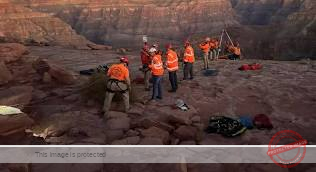
The Grand Canyon, a world-renowned natural wonder, continues to draw millions of visitors every year with its breathtaking vistas, steep cliffs, and rugged terrain. Known for its majestic beauty, the Grand Canyon is a top destination for hikers, photographers, and adventurers alike. However, despite its allure, the park also presents significant safety risks. With around 12 to 17 fatalities annually, it’s a sobering reminder of the inherent dangers in navigating such a vast, wild landscape.
What Happens at the Grand Canyon?
Each year, the Grand Canyon sees a wide range of fatalities that highlight the risks visitors face when exploring the park. While the number of deaths fluctuates, typically ranging from 3 to 26 fatalities annually, the long-term average hovers around 12 to 17 deaths per year. These tragedies are often caused by a combination of natural hazards and human error. Notably, the most frequent causes of death include:
- Medical Emergencies: Health crises such as heart attacks, strokes, or other sudden medical issues are among the most common fatalities. The physical demands of hiking, combined with the park’s high elevation and extreme temperatures, can trigger fatal health issues, especially in those unaware of underlying conditions.
- Aircraft Crashes: The Grand Canyon has been the site of some devastating aviation accidents. The 1956 mid-air collision of two commercial airliners remains one of the most tragic incidents, killing all 128 people aboard. While large-scale accidents like this are rare, smaller plane and helicopter crashes associated with sightseeing tours still contribute significantly to the fatality rate.
Major Causes of Fatalities: Accidents and Environmental Hazards
Though less common, unintentional deaths at the Grand Canyon occur due to various environmental factors, including:
- Heat Exhaustion and Dehydration: The canyon’s desert climate, especially during the summer months, makes dehydration and heat exhaustion serious risks. Temperatures can reach over 110°F (43°C) in the canyon’s inner areas, and hikers can lose water and electrolytes at an alarming rate. Without proper hydration, these conditions can quickly turn fatal.
- Flash Floods and Drownings: Flash floods and rapidly changing weather conditions along waterways like the Colorado River and Havasu Creek have caused deadly drownings in the past. These natural disasters can strike with little warning, leaving visitors unprepared.
- Accidental Falls: While falls from the canyon’s rim are often sensationalized, they are relatively rare. The odds of falling are about 1 in 1.95 million visitors. However, when falls do occur, they typically involve risky behaviors, such as climbing on rocks near the rim or attempting to take photographs in dangerous locations.
Prevention and Safety Measures
Experts stress that the vast majority of fatalities at the Grand Canyon are preventable. Many of the park’s risks can be mitigated through proper planning and preparation. Visitors are encouraged to:
- Hydrate adequately and be aware of the high-altitude environment.
- Stay on designated trails to reduce the risk of injury or getting lost in the rugged terrain.
- Avoid risky behaviors, such as venturing beyond safety barriers or attempting dangerous stunts near the canyon’s edge.
- Prepare for weather fluctuations, as temperatures and conditions can change rapidly throughout the day.
By following these guidelines and respecting the natural environment, visitors can greatly reduce the likelihood of fatal accidents.
The Grand Canyon’s Risk Compared to Other Locations
Despite the annual fatalities, the Grand Canyon remains a remarkably safe destination compared to other high-traffic locations. When compared to the death rate of a similarly populated city, the park’s overall risk level is significantly lower. Of the millions of people who visit the canyon each year, the vast majority do so without incident.
Conclusion
While the Grand Canyon’s beauty and allure are undeniable, it’s essential to remember the risks involved. By respecting the environment, understanding the challenges, and being properly prepared, visitors can safely experience one of the world’s most awe-inspiring natural wonders. The Grand Canyon, like many outdoor destinations, requires caution, but for those who take the necessary precautions, it remains an unforgettable and life-enriching experience.
