
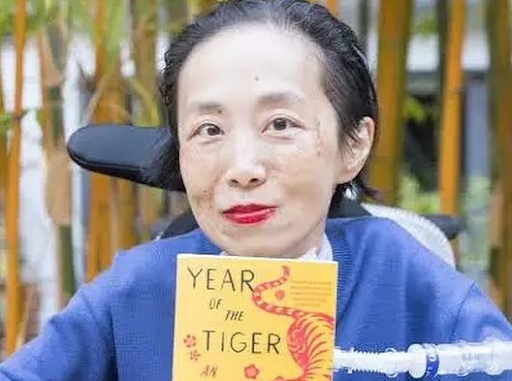
SAN FRANCISCO, CA — The disability rights community is mourning the loss of Alice Wong, a nationally recognized activist, writer, and advocate whose groundbreaking work transformed the conversation around disability justice.
Wong, a powerful voice for accessibility and inclusion, passed away recently, leaving behind a legacy that continues to shape movements across the country.
What Happened?
The news of Alice Wong’s death has sent shockwaves through San Francisco and the broader disability rights movement. While details surrounding the circumstances of her passing were not immediately released, tributes began pouring in from activists, public figures, and organizations nationwide.
Wong’s death marks the loss of one of the most influential voices in disability advocacy—someone who dedicated her life to centering disabled people’s stories and challenging the structures that marginalized them.
Who Was Alice Wong?
Alice Wong, based in San Francisco, was a celebrated writer, advocate, and cultural changemaker. She rose to national recognition through her work as author of the Disability Visibility column in Teen Vogue, where she explored topics affecting young people with disabilities, including systemic inequities, identity, culture, and the power of personal narrative.
She was widely respected for her honesty, clarity, and ability to connect with readers across generations, helping shift mainstream conversations about disability justice and representation.
Career, Legacy, and Contributions
Wong’s legacy is defined by her immense contributions to both activism and storytelling.
She founded the Disability Visibility Project, an oral history initiative created in partnership with StoryCorps. The project sought to document, preserve, and amplify the experiences of disabled individuals across the United States. It quickly became an indispensable resource—impacting educators, activists, researchers, and everyday readers seeking to better understand disabled lives.
Her belief in the transformative power of storytelling led her to champion spaces where disabled voices could be heard and valued. Wong consistently highlighted not only the challenges disabled people face but also their resilience, creativity, culture, and community strength.
In 2024, her contributions were nationally recognized when she received the MacArthur Fellowship, widely known as the “genius grant.” The award underscored her visionary leadership and lasting influence within the disability rights movement.
Public and Social Media Reactions
Following the announcement of Alice Wong’s passing, social media platforms were filled with tributes celebrating her work, kindness, and courage.
Advocates described her as a “warrior for justice,” a brilliant thinker, and a generous mentor who uplifted emerging voices in advocacy.
Writers and activists shared memories of her support, her sharp humor, and her unwavering dedication to disability justice. Many emphasized how her work helped them understand their own experiences and find community.
Hashtags such as #AliceWong, #DisabilityVisibility, and #DisabilityJustice have been trending as people honor her life and share the impact she made on their personal and professional journeys.
Official Statements and What Happens Next
Organizations within the disability community, along with colleagues and collaborators, have issued statements honoring Wong’s life and reaffirming their commitment to continuing her work.
Many praised her spirit of collaboration and her belief that collective action could build a more accessible world.
Funeral or memorial details have not yet been released. Those close to Wong ask the public to respect the family’s privacy while they grieve, and they encourage supporters to continue advocating for accessibility, justice, and the dignity of all disabled people—values Wong championed throughout her life.
This story may be updated with more information as it becomes available.
