
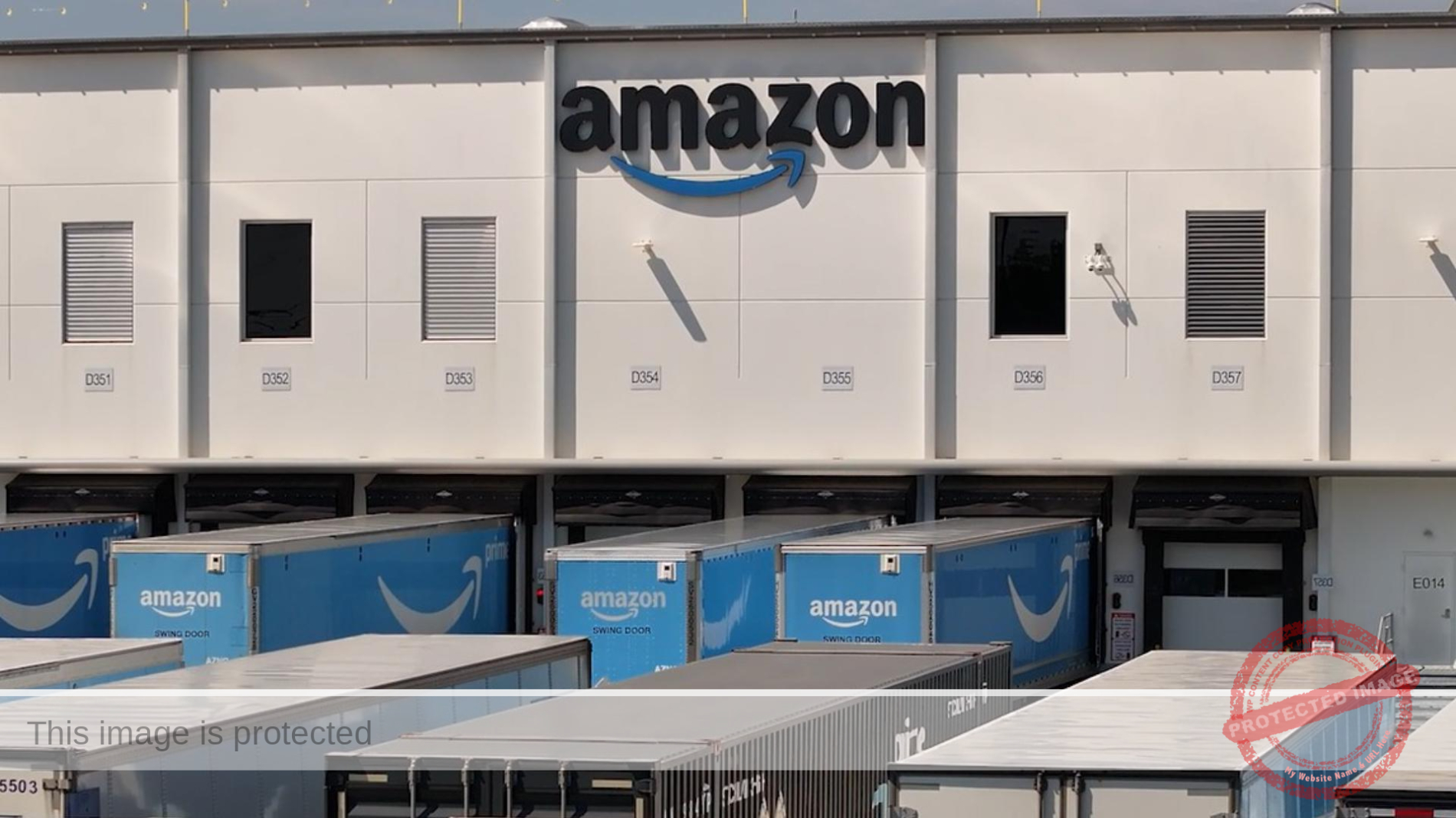
Multiple lawsuits and a deadly crash in Georgia highlight concerns over Amazon’s trucking practices as the company faces increasing pressure to ensure the safety of its freight system.
What Happened
A deadly crash on Interstate 75 near the Georgia-Tennessee border involving a driver hauling cargo for Amazon has raised serious concerns over the safety of the company’s trucking network. Joseph Antoinier, the driver, is facing over a dozen charges, including reckless homicide, endangerment, and aggravated assault, after the crash that killed two fathers and a young boy. Seven others were injured in the incident. Witnesses reported Antoinier driving erratically, which may have contributed to the tragedy.
In response to these incidents, investigations have revealed alarming patterns in Amazon’s trucking practices, specifically within its “middle mile” logistics. Amazon’s reliance on small trucking companies via its Relay platform has led to concerns about insufficient vetting of drivers and companies, contributing to safety lapses.
Who Is Involved
Joseph Antoinier, the driver involved in the fatal crash, was hauling cargo for Amazon. He is one of many drivers in Amazon’s vast and complex logistics network, which relies on small trucking companies to handle deliveries between warehouses and distribution centers.
Amazon, the largest player in the online retail space, has developed its Relay platform to manage these trucking partnerships, bypassing traditional brokers. However, this has created significant blind spots in safety, according to industry experts and legal professionals. Adewale Odetunde, an attorney specializing in truck accident law, notes that Amazon’s system, which allows drivers with questionable safety records to haul freight, may be contributing to the increasing number of accidents.
Background or Timeline
The issues surrounding Amazon’s trucking network are not new. A series of lawsuits involving crashes with Amazon freight has been documented, with at least 22 auto tort lawsuits discovered by 11Alive News Investigates in the past year. These incidents have drawn attention to Amazon’s practice of working with small, independent trucking companies that often have little oversight.
One high-profile case involves a crash in Florida where a truck hauling Amazon freight collided with a car, resulting in a child suffering from a traumatic brain injury. In this case, the trucking company had a history of safety violations but was allowed to operate under Amazon’s Relay program.
Public or Social Media Reaction
Public reaction to Amazon’s trucking safety issues has been mixed, with some calling for immediate reform and others defending the company’s recent efforts to improve. Social media has been flooded with calls for transparency and accountability, especially after 11Alive News Investigates uncovered the scale of the safety lapses. Legal professionals like Odetunde argue that Amazon’s lack of proper vetting has led to catastrophic outcomes, yet the company continues to face legal settlements under non-disclosure agreements (NDAs) that prevent the public from fully understanding the scope of the issue.
Official Statement or What Happens Next
Amazon has responded to the criticism, citing efforts to enhance its safety measures, including the deployment of automated USDOT readers and enhanced driver ID mechanisms. In a statement, Amazon noted that they had barred nearly 2,000 carriers for unauthorized subcontracting and have implemented GPS tracking on their trailers for better oversight.
However, experts argue that these measures are insufficient and that Amazon’s reliance on small trucking companies and their lax vetting processes still pose significant risks. The company’s current practices are under increasing scrutiny, with the investigation into the deadly crash continuing and further lawsuits pending.
As of now, there is no indication that Amazon will face any major policy changes despite the increasing legal pressure. The company’s response, while proactive in some areas, has not assuaged concerns regarding the long-term safety of its freight network.
Closing Line
This story may be updated with more information as it becomes available.
