
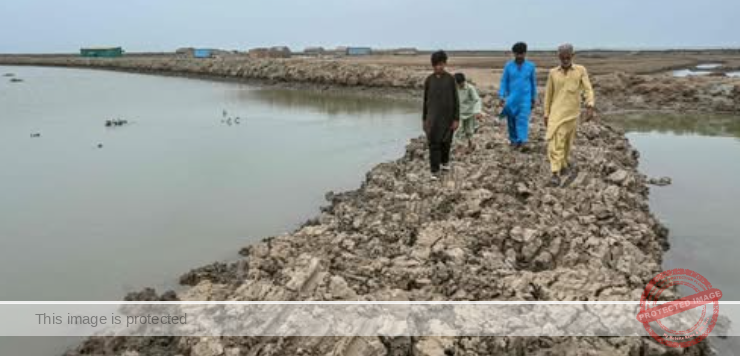
The rivers Indus, Jhelum, and Chenab — lifelines for millions across India and Pakistan — are once again at the center of a heated dispute between the two nuclear-armed neighbors. What began as a reaction to a deadly attack in Kashmir has now spiraled into a broader contest over sovereignty, security, and survival.
India Suspends Water Pact After Kashmir Attack
In April, following the killing of tourists in India-administered Kashmir, New Delhi announced that the Indus Waters Treaty (IWT) of 1960 would be suspended “until Pakistan credibly and irrevocably abjures its support for cross-border terrorism.”
Prime Minister Narendra Modi later reinforced this stance, declaring: “Blood and water will not flow together.”
Yet despite the fiery rhetoric, reports suggest that India has not taken concrete action to restrict river flows into Pakistan — a move Islamabad warns would be considered “an act of war.”
Arbitration Court Ruling Rejected by India
The dispute took a new turn when the Permanent Court of Arbitration (PCA) issued a ruling clarifying India’s obligations under the treaty, effectively directing New Delhi to “let flow” waters to Pakistan except under narrowly defined circumstances.
India, however, dismissed the ruling outright. Foreign Ministry spokesperson Randhir Jaiswal stated:
“India has never accepted the legality, legitimacy, or competence of the so-called Court of Arbitration. Its pronouncements are therefore without jurisdiction, devoid of legal standing, and have no bearing on India’s rights of utilisation of waters.”
Stalemate and Risks of Escalation
Experts warn that both nations appear locked in a stalemate, with diplomatic channels frozen.
-
Uttam Kumar Sinha, a defense analyst, warned that the clash could feed into a “broader Asian hydro-politics axis,” with Pakistan taking the matter to international forums like the UN and OIC, while India presses ahead with hydropower and irrigation projects.
-
Sinha stressed that without political normalization, only technical fixes outside of legal forums remain possible, though even these are unlikely without trust-building.
Former Indian envoy Ajay Bisaria added that India may use infrastructure development to increase leverage:
“In the next five years, India may go in for an accelerated development program to add canals and storage on the western rivers to have stronger leverage on Pakistan.”
He also hinted that climate change and technological advancements could eventually justify revisiting or even renegotiating the treaty.
Pakistan’s Dependence on the Rivers
The stakes are particularly high for Pakistan, where the Indus, Jhelum, and Chenab sustain millions of people in Punjab and Sindh. These rivers are the backbone of Pakistan’s agriculture, food security, and rural economy.
Development economist Mahendra Lama cautioned against militarized rhetoric:
“Water resources are shared natural resources that require cooperative management and diplomacy rather than military confrontation.”
Possible Pathways: Back-Channel Diplomacy
Despite the sharp exchanges, some experts see room for quiet diplomacy. Sinha identified three possible areas for informal engagement:
-
Data sharing revival on water flows.
-
Project-specific design audits for transparency.
-
Seasonal operational agreements on hydropower activities, such as peaking and sediment flushing.
Without such steps, the risk isn’t just military escalation but the gradual destabilization of water flows — a peril for over 250 million people living in the basin.
Outlook
For now, the Indus Waters Treaty remains officially suspended but not dismantled. The coming months will test whether water becomes a weapon in South Asia’s conflicts, or whether diplomacy — however discreet — can preserve one of the world’s most significant transboundary water-sharing agreements.
This story is developing as India and Pakistan navigate one of their most critical disputes in decades.
