
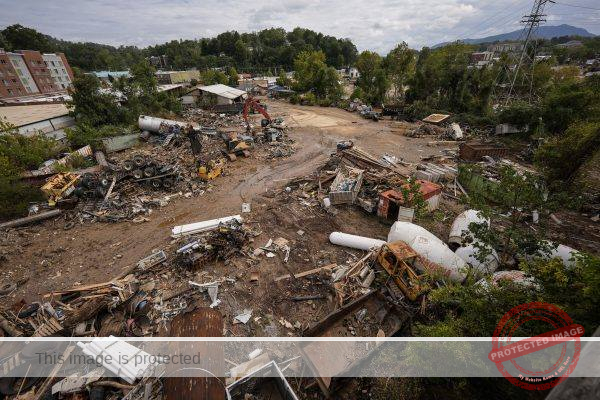
A new study highlights North Carolina as one of the states most at risk for hurricane-related losses, emphasizing the growing financial and safety impact of tropical storms.
What Happened
According to a study released by LendingTree on Tuesday, North Carolina faces the fourth-highest projected annual loss from hurricanes in the U.S., totaling approximately $1.76 billion per year. The study examined population data, disaster costs, and historical hurricane impacts to determine the state’s vulnerability.
Who Is Affected
North Carolina’s population of 10.6 million means the expected annual hurricane loss per 10,000 residents is $1.66 million. Residents of coastal and low-lying areas, such as New Hanover County, face higher risk scores, while urban centers like Charlotte also rank among the top metro areas vulnerable to hurricanes.
Background or Timeline
-
Study Source: LendingTree, using NOAA’s billion-dollar disaster data and FEMA expected annual loss projections.
-
Risk Scores: North Carolina scored 92.9 out of 100 for expected annual hurricane losses.
-
Comparison: Only Florida ($3.56M), Louisiana ($3.1M), and South Carolina ($2.85M) have higher projected losses per 10,000 residents.
-
County and Metro Rankings: New Hanover County ranks 7th among counties most at risk; Charlotte ranks 10th among populous metro areas.
Public or Social Media Reaction
Residents and local officials have expressed concern over the high expected losses, sharing the study on social media and urging improved disaster preparedness. Many communities are emphasizing emergency planning, insurance coverage, and infrastructure improvements to reduce hurricane-related damage.
Official Statement or What Happens Next
The study serves as a reminder for North Carolina residents and policymakers to prepare for hurricane season. Authorities recommend:
-
Reviewing emergency preparedness plans
-
Ensuring adequate flood and wind insurance
-
Staying informed through NOAA and FEMA updates
Local governments may also prioritize infrastructure improvements and public awareness campaigns to mitigate financial and human impacts from future hurricanes.
This story may be updated with more information as it becomes available.
