
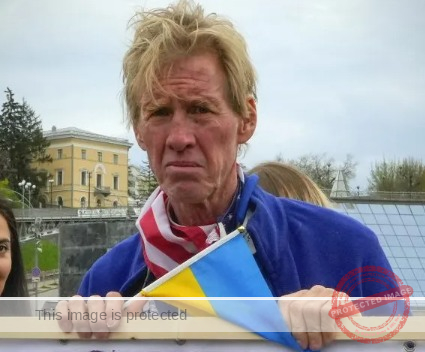
FORT PIERCE, FL — Ryan Routh, a 59-year-old former construction worker and self-styled mercenary, was found guilty on all five federal counts he faced, including attempted assassination of former President Donald Trump. The verdict, reached by a jury in Florida, marks the end of a tense legal battle following Routh’s botched attempt to kill Trump on September 15, 2024, at the former president’s golf course in West Palm Beach.
What Happened
Routh was convicted of attempting to assassinate Trump by aiming a rifle at him from behind shrubbery as the Republican was on the sixth hole of the course. He also faced charges of assaulting a federal officer and several firearm violations. The incident unfolded when a Secret Service agent spotted Routh before Trump came into view and opened fire, causing Routh to drop his weapon and flee the scene without firing a shot. Routh was later arrested after a witness confirmed his identity and law enforcement officials tracked him down.
In his defense, Routh argued that he never intended to kill anyone and that no shot was fired, stating, “It’s hard for me to believe that a crime occurred if the trigger was never pulled.” Despite his assertions, prosecutors argued that the evidence showed Routh had spent weeks plotting the assassination and had made a clear attempt on Trump’s life. Assistant U.S. Attorney Christopher Browne emphasized, “There’s no doubt, no reasonable doubt, no doubt whatsoever, that Ryan Wesley Routh wanted Donald Trump dead.”
Routh’s Representation
In a highly unusual move, Routh represented himself during the trial, disregarding advice from his attorneys. He was warned by U.S. District Judge Aileen Cannon to stay within the boundaries of legal arguments during his closing remarks. However, Routh veered off-topic multiple times, including references to Adolf Hitler and conflicts like the wars in Ukraine and Gaza, which led to further interruptions by the judge.
Despite the legal turmoil, Routh was given the right to represent himself after demonstrating that he was competent to waive his right to a defense attorney. However, his former defense attorneys remained as standby counsel throughout the proceedings.
Legal Proceedings and the Verdict
Routh’s case was supported by limited witness testimony, with Routh questioning only three witnesses in total. In contrast, prosecutors spent seven days questioning 38 witnesses to present a detailed account of Routh’s actions and intentions. After deliberations, the jury convicted Routh on all charges, including the most serious charge of attempting to assassinate a major presidential candidate.
Following the verdict, Routh attempted to stab himself in the neck, reportedly showing the depth of his emotional turmoil. Routh faces a maximum sentence of life imprisonment for his actions.
Background and Motivation
Routh, originally from Greensboro, North Carolina, had lived in Hawaii for recent years. Known for boasting about his violent plans and mercenary ambitions, Routh had openly shared with others his desire to insert himself into international conflicts. He had a previous criminal history, including a 2002 arrest for evading police and carrying illegal weapons.
Before the incident, Routh had raised concerns due to his increasingly erratic behavior, which led authorities to investigate his past actions, including his fixation on violent confrontations and public threats. Routh’s failed assassination attempt on Trump came just months after another attempt in Butler, Pennsylvania, where Trump narrowly escaped injury when a gunman fired shots at him.
Public Reaction and Consequences
Routh’s conviction has sparked a range of reactions, especially as it highlights the ongoing concerns over the safety of public figures and the lengths some individuals are willing to go to in pursuing violent ideals. The case also underscores the rising concerns surrounding the accessibility of firearms and the extreme rhetoric that is gaining traction in certain political circles.
With the guilty verdict, Routh now faces a lengthy sentence in federal prison, where his case will remain under public scrutiny. Authorities continue to investigate his motivations and any potential ties to extremist groups.
Closing line
This story may be updated with more information as the investigation and sentencing process continue.
