
It’s hard to ignore the injustice that we see happening in the justice system, especially when it comes to how children are treated, both as victims and accused individuals. A recent incident has stirred deep frustrations, raising questions about the unfairness in how young children are being treated under the law.
What Happened?
In a deeply troubling case, a 5-year-old autistic girl named Marie was brutally assaulted by three other children: a 10-year-old female and two male children, aged 9 and 8. The crime was horrific, but what’s even more disturbing is the way the case has been handled by authorities. Despite the brutality of the crime and the obvious need for justice for young Marie, the children accused of this horrendous act have not been shown in public or named.
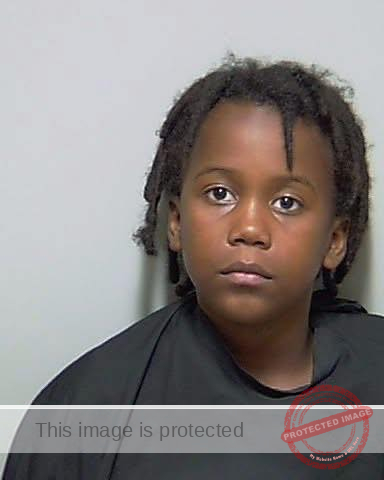
In stark contrast, the media has plastered the face of a 9-year-old boy, who has been accused of a completely different crime. While it is essential to uphold the rights of victims and the accused, the way this case has been treated feels unequal and unfair. Why is the name of the accused 9-year-old boy being spread far and wide, while the children responsible for an equally horrific act against a vulnerable young girl are shielded from public view?
Why Is This an Issue?
The question of fairness looms large here. The disparity in treatment feels like a glaring double standard, especially when young victims are involved. Why is it that children accused of terrible crimes seem to be treated with a sense of secrecy and protection, while other children’s faces are made public? This issue is not just about one case – it’s about the justice system’s treatment of young people involved in criminal activity, whether they are victims or suspects.
If you look closely at the system, it’s clear that children involved in criminal acts often face different levels of scrutiny based on various factors, such as their age, their background, and the nature of the crime. In some cases, authorities and the media avoid making their names and faces public to protect their rights, but at times this seems to be applied inconsistently.
Who Was Marie?
Marie was a beautiful 5-year-old girl who had the courage to face the world every day despite her autism. For her, each day was a challenge in its own right. Yet, what should have been her place of safety – her home or school – became the site of a horrific and unthinkable attack. She is a child who didn’t deserve the trauma she faced.
The attackers in her case were not adults but other children. And yet, unlike the 9-year-old boy whose face was widely shared in the media, these children remain hidden. Where is the justice in that? Why does the system protect some children while others, like Marie, are left exposed and vulnerable?
What Can Be Done?
This situation highlights the pressing need for transparency and consistency in how we treat young people involved in criminal cases. Everyone deserves fairness under the law, but that fairness must extend to both victims and the accused.
We need to stand up for Marie, for her family, and for every child who is caught in this tangled system. It’s time for the law to be applied fairly and consistently, regardless of who the child is or the crime they are involved in. As a community, we need to demand justice and support for the victims, and ensure that children who need help, rather than punishment, are given the opportunities for rehabilitation they deserve.
Public Reactions and Call for Justice
People are speaking out. The community and concerned citizens are asking for equal treatment and transparency in these cases. It is time to raise awareness and ensure that the justice system respects the rights of all children, whether they are victims or accused.
What Happens Next?
As we await further developments in the case of Marie and the children involved, it’s critical that we hold authorities accountable for their actions and decisions. The justice system needs to stop protecting some and leaving others vulnerable. It’s about fairness. It’s about equality. It’s about ensuring that the rights of every child, regardless of the situation, are respected.
This story may be updated with more information as it becomes available.
