
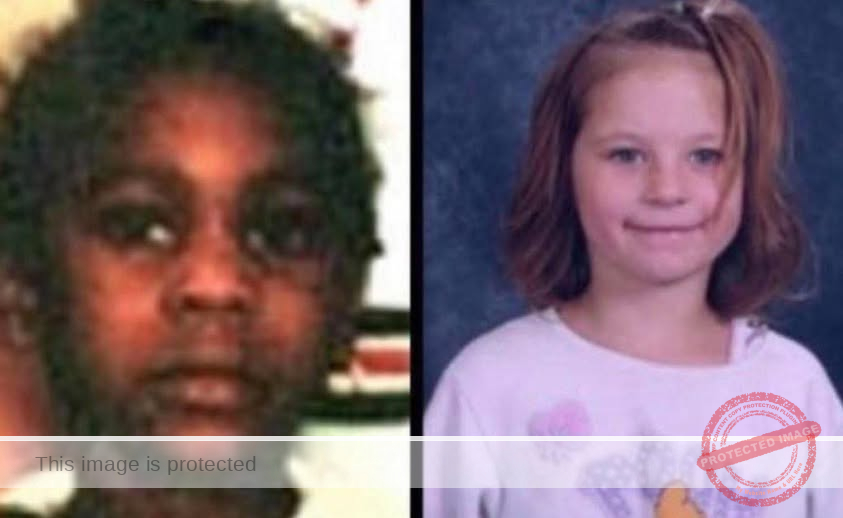
On February 29, 2000, six-year-old Kayla Renee Rolland was tragically killed by a classmate at Buell Elementary in Mount Morris Township, Michigan. This shocking incident, one of the earliest high-profile school shootings involving such young children, left a lasting mark on the debate surrounding school safety, gun access, and the effects of unstable environments on children.
What Happened
On that fateful day, Kayla Rolland, a first grader at Buell Elementary School, was in the middle of a class change when she was struck in the neck by a .32-caliber bullet fired by a six-year-old classmate. The boy had brought the loaded weapon to school after finding it at his uncle’s house, a residence linked to the drug trade. After shooting Kayla, he fled to a nearby restroom. Teachers and fellow students were horrified witnesses to the tragic event, with many struggling to comprehend the horror of what had just occurred.
The boy’s motive was reportedly simple: he said, “I don’t like you” before shooting Kayla. Despite the young age of both the victim and the shooter, the tragedy sparked a national conversation about gun access, school safety, and how children exposed to violence can become affected by their environments. This incident, among the first of its kind involving very young children, raised alarms about the broader implications of unstable home lives and mental health challenges among children.
Who Was Kayla Renee Rolland?
Kayla Renee Rolland was a bright, energetic six-year-old girl attending Buell Elementary School. Described as an enthusiastic first grader with a love for learning, she had her whole life ahead of her when tragedy struck. Kayla’s life was taken too soon in an act of senseless violence, and her death continues to be remembered by her family, friends, and the Mount Morris Township community.
In the wake of her death, Kayla became a symbol of the dangers that can arise when young children are exposed to firearms and unsafe environments. Her tragic passing forced a hard look at the systems meant to protect children, and the systemic failures that allowed such a horrific event to take place.
The Shooter and His Background
The boy who shot Kayla, also six years old at the time, was not charged due to his age. Michigan law, like many states, does not hold children under the age of seven criminally responsible. However, the shooter’s background raised serious questions about the influences that may have shaped his actions.
The boy had a history of behavioral problems, including recent bullying and inappropriate conduct toward classmates. His environment—a chaotic and violent one—also played a role. The gun he used in the shooting was obtained from his uncle’s house, a “flophouse” known to be involved in drug activity. It is unclear whether the boy ever received the help he needed to address his behavioral and emotional issues, as his actions were a direct result of his environment and the influences around him.
The Aftermath and National Debate
Kayla’s death was a turning point in discussions about school safety and gun access in the United States. The incident was one of the first high-profile cases involving very young children in a school setting, and it shocked the nation. In the aftermath, President Bill Clinton referenced the tragedy in his speeches advocating for stricter gun control laws, particularly laws that could prevent children from accessing firearms in unsafe environments.
The school itself, Buell Elementary, was eventually closed after the tragedy, a decision that reflected the broader desire to address the root causes of such violence and to prevent similar events from occurring in the future.
In addition to the national debate about gun safety and mental health, the incident also underscored the need for better support systems for children from unstable home environments. The young shooter, who was not charged, was not the only one affected by the violence that day. Teachers, classmates, and the entire school community were left to cope with the aftermath of the incident.
Public and Social Media Reactions
In the years following Kayla’s death, the incident has remained a somber reminder of the vulnerabilities children face. Parents and educators continue to raise awareness about gun safety and the importance of providing young children with stable, supportive environments. Over time, Kayla’s case has become a point of reflection on how societal issues like drugs, poverty, and mental health affect children’s behavior, potentially leading to tragic outcomes.
Though social media wasn’t as pervasive at the time of the tragedy, discussions on school shootings and gun control often reference Kayla’s story. People continue to honor her memory, using her case to highlight the need for proactive measures to protect children from violence in schools.
What Happened to the Boy?
One of the lingering questions from the case is what happened to the boy who shot Kayla. Did he receive the intervention he needed, and what became of him after the incident? The answers are not entirely clear. While there were reports suggesting the boy’s background included behavioral issues and a volatile home environment, there is no public information about his life following the incident.
It is likely that he was placed into some form of child counseling or intervention program, as is common for children involved in such traumatic events. However, the public nature of his actions and the lack of criminal charges due to his age has meant that little is known about his life since that day. As with many child offenders, his journey through the juvenile justice or mental health system remains private.
Closing Line
Kayla Renee Rolland’s tragic death is a reminder of the deep impacts that unstable environments can have on children and the urgent need for reforms to protect young lives. This story may be updated with more information as it becomes available.
