
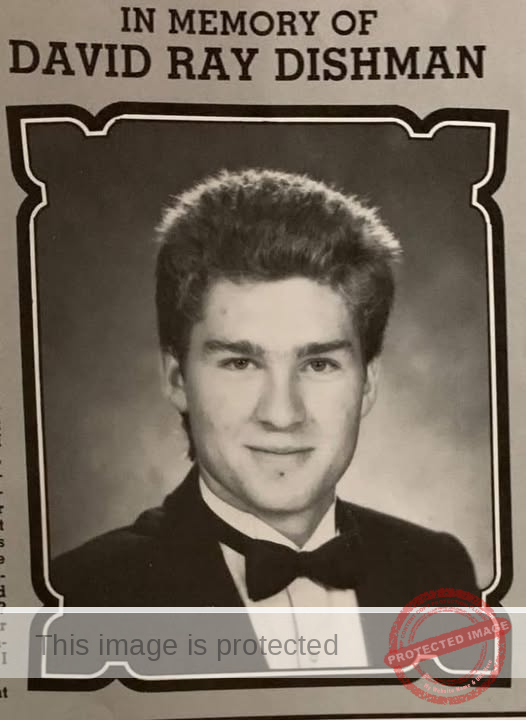
In a tense parole hearing this week, District Attorney Bryant Dunaway once again opposed the early release of Billy Joe Greenwood, who murdered David Dishman in 1989. This marks the sixth time Dunaway has stood against Greenwood’s parole, emphasizing the gravity of the crime and the devastating impact it had on the Dishman family.
The Murder of David Dishman
David Dishman, who would have turned 54 years old today, was a high school senior when he became the victim of Billy Joe Greenwood, his uncle by marriage. In an appalling and premeditated act, Greenwood broke into the Dishman home, stealing a rifle. He initially intended to kill his ex-wife but, when she didn’t arrive, he turned his violent intentions toward David.
Greenwood lay in wait for hours, and when Sherry Dishman, David’s mother, arrived home, the situation took a deadly turn. Greenwood ambushed David outside the house, shooting him in the abdomen. When David and his family tried to defend themselves inside the house, Greenwood fired another shot, striking a wall. After a struggle, he fled outside, but David, wounded and lying on the ground, uttered his final words: “If I did anything to you, I am sorry.”
Greenwood responded by shooting David a second time in the chest, killing him. Authorities arrested Greenwood two days later.
DA Bryant Dunaway’s Opposition to Parole
In a powerful statement following the parole hearing, Dunaway made it clear that he was firmly opposed to the idea of Greenwood ever being released early. “When you commit murder and receive a life sentence, you should serve the sentence,” he said. “This offender has the privilege of living life in prison. David has had to live in heaven for the last 36 years without his family with him.”
Parole Denied
In a significant victory for justice, Greenwood’s parole request was denied. This decision was celebrated by the Dishman family and supporters who feel that the brutal nature of Greenwood’s crime should not be overlooked. The hearing serves as a reminder of the long-lasting impact of violent crimes on families and communities, and the need to ensure that justice is properly served.
Closing Line
This story may be updated as new developments arise in Greenwood’s case or further parole hearings take place.
