
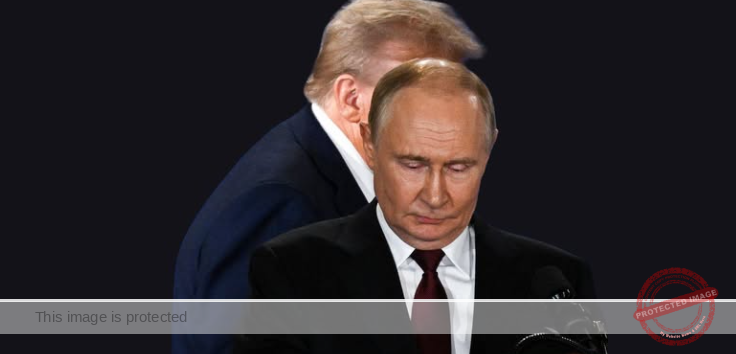
In a decisive move against Russia’s continued aggression in Ukraine, President Donald Trump has enacted new sanctions on two of Russia’s largest oil companies, Rosneft and Lukoil. This marks the first set of sanctions since Trump’s second term began, reinforcing the U.S. stance against Russian President Vladimir Putin’s refusal to end the war.
Sanctions on Rosneft and Lukoil
The U.S. Treasury Department’s new sanctions target Russia’s energy sector, aiming to pressure the Kremlin by crippling its ability to generate revenue for its war efforts. The department specifically cited Putin’s “refusal to end this senseless war” and condemned Moscow’s ongoing lack of a meaningful peace process in the Ukraine conflict. The sanctions are designed to disrupt key financial operations and hinder Russia’s energy exports, further isolating the country economically.
In the Treasury Department’s statement, it was highlighted that these measures would “degrade the Kremlin’s ability to raise revenue” and “increase pressure on Russia’s energy sector,” undermining the country’s economy in the process.
Trump Cancels Meeting with Putin
President Trump’s decision to sanction Rosneft and Lukoil comes on the heels of a canceled meeting with President Putin. Trump voiced his disappointment with the results of previous discussions, telling reporters that “it just didn’t feel right to me.” He added, “Every time I speak with Vladimir, I have good conversations, and then they don’t go anywhere. They just don’t go anywhere.”
Trump’s refusal to meet with Putin signals growing frustration with Russia’s lack of commitment to peace talks and any substantive resolution to the war in Ukraine.
International Response
The announcement of the sanctions also prompted reactions from international leaders, including European Union Commission President Ursula Von der Leyen. Von der Leyen revealed that she had recently spoken with U.S. Treasury Secretary Scott Bessent about Russia’s continued defiance and lack of a genuine commitment to peace. She echoed concerns that Russia’s actions were prolonging the conflict and undermining any chance of a diplomatic resolution.
Ongoing Pressure on Russia
The sanctions, which focus on Russia’s energy giants, are part of a broader international effort to isolate Russia and end its ongoing military intervention in Ukraine. Both the U.S. and European allies have ramped up economic and diplomatic pressure, using sanctions as a key tool to deter further aggression. The decision to target Rosneft and Lukoil demonstrates a direct attack on the financial lifeblood of Russia’s economy, aimed at weakening Putin’s war machine.
Closing Line:
This story may be updated as more information becomes available. The continued fallout from these sanctions will likely affect not just Russia’s energy sector, but also its broader economic standing in the international arena.
