
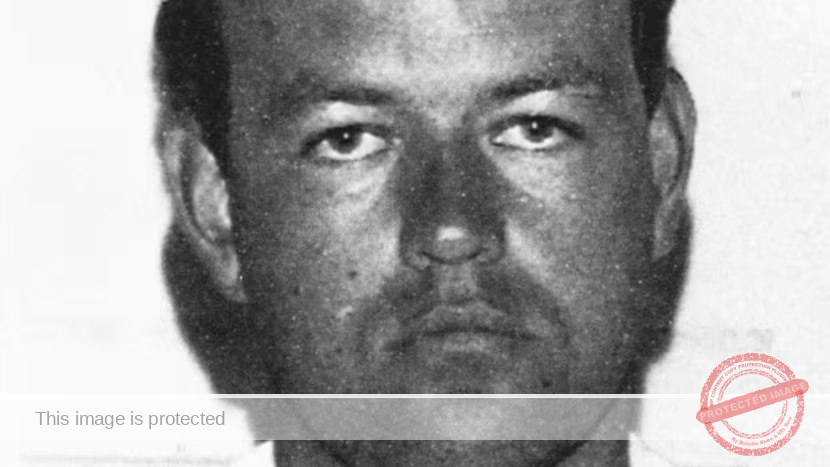
The Parole Board has ruled that Colin Pitchfork, the double child rapist and murderer, will not be released early from prison. Pitchfork, who was sentenced to life imprisonment in 1988 for the brutal rapes and murders of 15-year-olds Lynda Mann and Dawn Ashworth in Leicestershire, will remain behind bars despite having served the minimum 28-year sentence.
The Crime and Conviction
Pitchfork, aged 27 at the time of the crimes, became the first man in the UK to be convicted using DNA profiling. His crimes in the 1980s shocked the nation, and he was sentenced to life imprisonment with a minimum term of 28 years, which has now passed. Despite having served his minimum sentence, Pitchfork’s violent history and continued risk to public safety have led to his parole being denied.
Parole Board’s Decision
On Thursday, the Parole Board confirmed that Pitchfork would not be released at this time. The decision came after an assessment of his risk to the public, with the Parole Board determining that he still posed a significant threat. Pitchfork has 21 days to apply for reconsideration of the decision.
South Leicestershire MP Alberto Costa expressed relief following the ruling, stating, “I am reassured by the board’s decision. This news will bring some reassurance to the families of Lynda and Dawn and to the wider public.” Costa also emphasized the importance of risk assessment, noting that at 65 years old, Pitchfork still has the capacity to pose a real risk to the public.
Previous Attempts at Release
Pitchfork had previously been allowed to convince the Parole Board to release him in 2021. However, he was returned to prison shortly after breaching conditions by approaching a lone woman during a litter-picking activity. This breach highlighted the danger Pitchfork still posed to the public.
In June 2023, the Parole Board initially found that Pitchfork’s recall to prison had been flawed. However, the decision to release him was blocked by then-Justice Secretary Alex Chalk, who sought a review of the decision, keeping him incarcerated.
Legal Challenges and Future Hearings
Last year, Pitchfork was scheduled to face another hearing to assess whether he should be released, but the process was delayed after he launched a legal challenge regarding the materials he was allowed to view related to “fresh allegations” concerning his behavior in prison.
Closing Line
This story may be updated with more information as it becomes available.
Colin Pitchfork’s continued incarceration is a relief to the families of his victims and the public, as the Parole Board recognizes the ongoing danger he presents. The decision serves as a reminder of the importance of thoroughly assessing the risk posed by violent offenders, even after they have served their minimum sentences. Pitchfork’s history of violence and breaches reinforces the need for continued vigilance to protect society from those who commit heinous acts.
