
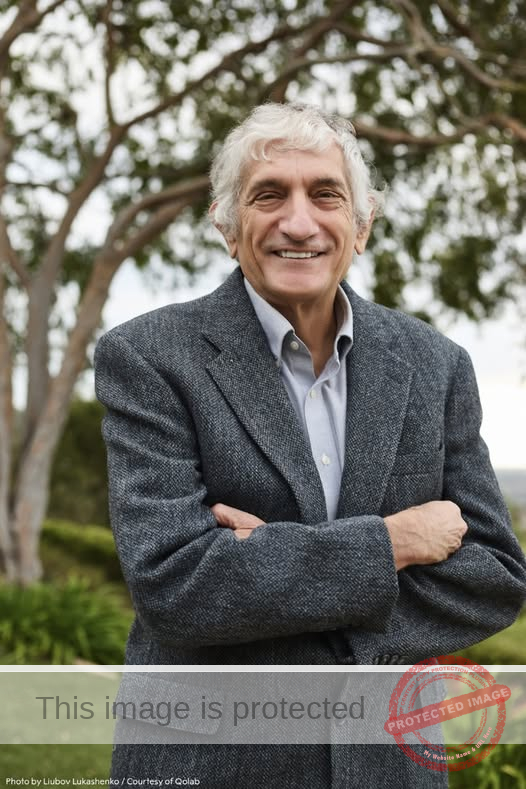
John Martinis, the 2025 Nobel laureate in Physics, recently shared that his early inspiration to pursue physics and quantum computing came from his father, a fireman and self-taught builder. Martinis credited his father’s hands-on approach to construction and problem-solving as a foundational experience that led him to study experimental physics.
What Happened:
John Martinis’ journey to becoming a leading figure in quantum computing has been shaped by years of learning, research, and innovation. While he is now known for his groundbreaking work in experimental physics, Martinis has often reflected on the influence of his father as a driving force behind his career path.
Martinis recalls that growing up, his father, who had a high school diploma, loved building things in the garage. As a fireman by profession, Martinis’ father was often engaged in practical, hands-on tasks that involved creativity and problem-solving. This environment fostered Martinis’ early interest in construction, engineering, and design, where he learned not just how to build things, but also the confidence to create and innovate.
“Watching him work with his hands, I learned that if you have the drive, you can build anything,” Martinis said in a recent interview. This early exposure to practical creativity and the confidence instilled by his father were key factors that eventually guided Martinis toward experimental physics and quantum computing.
Who Was John Martinis / Background of the Case:
John Martinis was born and raised in the United States, where his interest in science and innovation began early. Inspired by his father’s work ethic and ingenuity, Martinis went on to earn a Ph.D. in physics, and his career in quantum computing has earned him international recognition. Today, he is considered a leader in the field of experimental physics, particularly in quantum computing, and is credited with advancing the development of quantum processors and algorithms.
As a professor at the University of California, Santa Barbara, Martinis worked on projects that laid the groundwork for modern quantum technologies. He became one of the most respected figures in the quantum computing world, contributing to research that paved the way for the future of quantum technology.
Career, Legacy, and Achievements:
John Martinis’ contributions to the field of quantum computing have been vast and influential. He is recognized for his work on developing quantum processors, which are key to unlocking the potential of quantum computing. In 2015, Martinis and his team made significant strides in demonstrating quantum computing’s potential with their work on superconducting qubits, a fundamental component of quantum processors. His team’s work has been instrumental in advancing quantum technology, earning him the Nobel Prize in Physics in 2025.
In addition to his technical achievements, Martinis has been a mentor to a new generation of physicists and engineers. His leadership and contributions have made him a figurehead in the physics community, with his work paving the way for innovations in computing, cryptography, and communication.
Public and Social Media Reactions:
Following the announcement of his Nobel Prize in Physics, social media platforms and news outlets have been flooded with messages of congratulations and admiration for Martinis. Fellow scientists, researchers, and institutions have praised Martinis for his groundbreaking work and his lasting impact on the world of quantum computing. Many have pointed to his early influences, including his father’s encouragement, as a key part of his success story.
Fellow Nobel laureate in Physics, Dr. Donna Strickland, tweeted, “John Martinis’ achievements are a testament to the power of curiosity and mentorship. His passion for physics is evident in his work and the legacy he leaves for future generations.”
Official Statements or What Happens Next:
John Martinis’ continued work in quantum computing is set to shape the next era of technological innovation. His research continues at the University of California, Santa Barbara, where he collaborates with leading physicists to push the boundaries of quantum computing and its potential applications in fields such as medicine, finance, and cybersecurity.
Martinis has often spoken about the significance of his father’s influence in shaping his career. “Without my father’s belief in me and his example of hard work and creativity, I might never have pursued physics,” Martinis said. “I owe so much of my success to those early lessons in building and creating.”
Closing Line:
This story may be updated with more information as it becomes available.
