
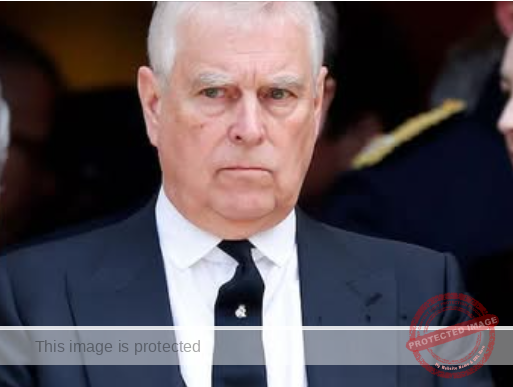
LONDON – Reports indicate that Andrew Mountbatten Windsor, formerly known as Prince Andrew, repeatedly refused to approve royal statements supporting survivors of abuse. This comes amid his brother King Charles III’s decision to strip him of his royal titles and style on October 30, 2025, following renewed scrutiny of his ties to Jeffrey Epstein.
What Happened
According to sources close to the royal household, Andrew Mountbatten Windsor “routinely refused to sign off” on palace statements that included references to survivors of abuse.
These statements had reportedly been drafted by palace officials, but the inclusion of supportive language for victims of abuse was allegedly removed following Andrew’s objections.
In the title-stripping statement from Buckingham Palace, however, King Charles and Queen Camilla included a line signalling support for victims:
“Their Majesties wish to make clear that their thoughts and utmost sympathies have been, and will remain with, the victims and survivors of any and all forms of abuse.
That inclusion is seen by critics as a firm shift in the palace’s public messaging on the Epstein-related scandal and the role of Andrew Mountbatten Windsor.
Who Is Andrew Mountbatten Windsor / Background of the Case
Andrew Mountbatten Windsor is the third child of the late Queen Elizabeth II and brother of King Charles III. Formerly styled “His Royal Highness The Duke of York”, he served in the Royal Navy and later as UK Special Representative for International Trade and Investment.
He stepped back from public duties in 2019 after the infamous BBC Newsnight interview regarding his association with Jeffrey Epstein and subsequent allegations of sexual abuse.
In October 2025 Buckingham Palace formally initiated the removal of Andrew’s style, titles and honours. He will now be known as Andrew Mountbatten Windsor and is required to surrender his lease of Royal Lodge, moving to private accommodation on the Sandringham Estate.
Details of the Decision & Why It Matters
The palace’s decision is significant because it marks not only the end of Andrew’s formal royal role but also a clear shift in tone by the monarchy itself. For the first time in this saga, language explicitly acknowledging victims and survivors of abuse appeared in a royal statement.
The news comes amid mounting pressure on the royal family to demonstrate credibility in supporting survivors — especially given Queen Camilla’s advocacy work around domestic and sexual abuse. Andrew’s previous obstruction of supportive wording is being framed as incompatible with the monarchy’s modern public role.
Public and Social Media Reactions
The move has been widely discussed across social platforms and in media commentary. Survivors’ groups and the family of Virginia Giuffre, an accuser who died earlier this year, described the statement as a “vindication” and an acknowledgment of their plight.
Many commentators emphasized that while the removal of titles is symbolic, the more noteworthy change is the explicit recognition of victims. Posts trending under hashtags like #JusticeForSurvivors and #RoyalAccountability reflect this shift in public expectation of the monarchy.
Official Statements and What Happens Next
Buckingham Palace’s official statement reads in part:
“His Majesty has today initiated a formal process to remove the Style, Titles and Honours of Prince Andrew. … The censures are deemed necessary, notwithstanding the fact that he continues to deny the allegations against him. Their Majesties wish to make clear that their thoughts and utmost sympathies have been, and will remain with, the victims and survivors of any and all forms of abuse.
Andrew Mountbatten Windsor’s ex-wife, Sarah Ferguson, is also moving out of the Royal Lodge residence. Investigations and demands for further testimony about his connections to Jeffrey Epstein continue in both the UK and US jurisdictions.
This story may be updated with more information as it becomes available.
