
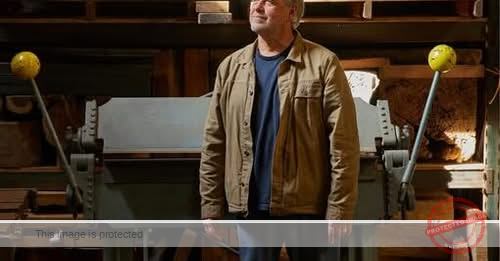
San Francisco – November 4, 2025 – Renowned Bay Area architect Olle Lundberg, founder of Lundberg Design, has passed away suddenly on October 31, 2025, at the age of either 70 or 71. Lundberg’s decades-long career transformed the city’s urban landscape through inventive use of materials and craftsmanship.
What Happened
Olle Lundberg’s death was confirmed this week via his studio’s public statement and reported by major outlets. The veteran architect, celebrated for his “wavy” bus-stop shelters for the San Francisco Municipal Transportation Agency (Muni) and his hands-on design philosophy, died suddenly on October 31, 2025.
His firm’s Instagram account stated simply: “It is with great sadness that we announce that Lundberg Design founder Olle Lundberg passed away suddenly on October 31, 2025.”
While some sources list his age at 70, others report him as 71, underscoring a slight discrepancy in public records.
The studio noted that details regarding any memorial or further statements will follow.
Who Was Olle Lundberg / Background of the Case
Olle Lundberg, Swedish-born (though later based in San Francisco), built his reputation on a deeply material-focused, craft-driven approach to architecture. He founded his firm Lundberg Design in 1987 and by the mid-1990s located his studio in the Dogpatch district of San Francisco, converting a former mattress factory into a combined architecture and fabrication workshop.
His early interest in making — sketching, crafting, and integrating reclaimed or unusual materials — set him apart from more standard contemporary practices. Over time, Lundberg became known not just for buildings, but for an ethos: architecture as artful craft, deeply embedded in the urban fabric of San Francisco.
Career, Legacy and Case Details
Lundberg’s work touched a wide range of typologies. Among his most visible contributions are the so-called “wavy” bus stop shelters commissioned by the SFMTA (Muni) — flowing, organic canopies that brought warmth and motion to the transit stops of San Francisco.
In addition to public infrastructure, his firm designed celebrated restaurants including Flour + Water, Mourad and The Slanted Door — all projects that mirror his signature balance of minimalism, craftsmanship and emotional resonance.
Colleagues describe him as “larger-than-life”, endlessly curious and deeply committed to working with his own hands in fabrication as much as he did in conceptual design.
His legacy goes beyond individual buildings: it lies in the idea that high-quality design can be rooted in craft, sustainability and a genuine material story — and still speak to modern urban life.
Public and Social Media Reactions
In the wake of his passing, the architecture and design community have flooded social media with tributes. On X (formerly Twitter), posts recognize Lundberg’s influence: “Much respect for Olle Lundberg, the San Francisco architect who designed the city’s wavy bus stop shelters.”
Instagram posts from former colleagues and the studio itself call him a “friend, teacher, and endless source of inspiration.”
Hashtags such as #OlleLundberg and #ArchitectureOfCraft have been used to share memories of his work and philosophy. The community is mourning not just the man, but the passing of a certain era of architecture deeply rooted in material and maker-culture.
Official Statements or What Happens Next
In the studio’s announcement, Lundberg Design said: “When he died, Lundberg was preparing a series of book talks and events … details will follow soon.”
No cause of death has yet been publicly disclosed; the statement simply described his passing as “sudden.”
In lieu of flowers, donations have been encouraged to the Redwood Coast Humane Society in his memory, as noted in the studio’s message.
The architecture world will now observe how his firm honors his legacy and completes the projects he left in progress, especially the upcoming book and related events tied to his career.
Closing
Olle Lundberg’s sudden passing leaves a void in the architecture and design community, yet his influence and vision remain deeply embedded in San Francisco’s built environment and in the craft-driven approach he championed. His work will continue to inspire designers, makers and urban thinkers for years to come.
This story may be updated with more information as it becomes available.
