
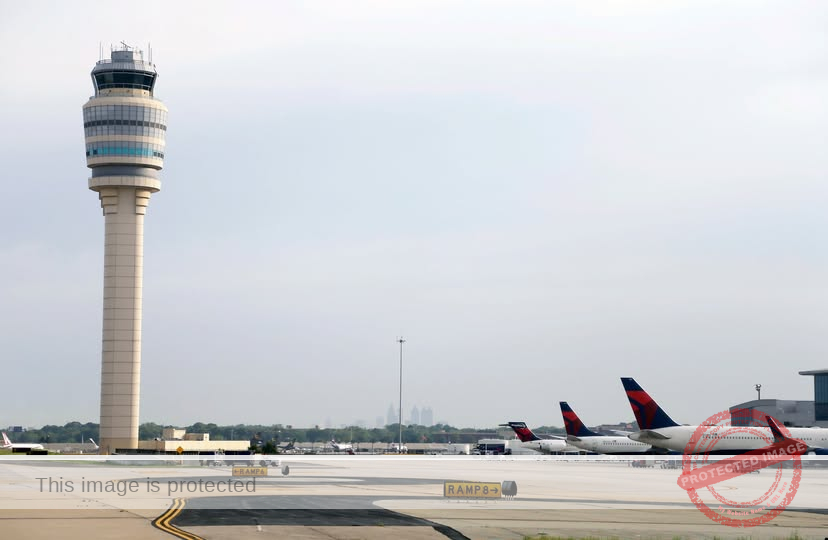
Washington, D.C. – November 6, 2025 – The Federal Aviation Administration (FAA) announced a drastic measure on Wednesday, reducing air traffic by 10% across 40 high-volume markets beginning Friday morning. This decision is aimed at maintaining air travel safety amid mounting concerns over air traffic controller fatigue during the ongoing government shutdown, which has caused significant strain on the nation’s air traffic control system.
What Happened
The FAA’s decision to reduce flights comes in response to staffing shortages caused by air traffic controllers working unpaid since the shutdown began on October 1, 2025. Many controllers have been working long hours, including mandatory overtime, to keep up with the demand. However, some have been calling out of work due to financial struggles, including difficulty paying for childcare and fuel, while others have taken on second jobs.
FAA Administrator Bryan Bedford acknowledged that the situation had reached a critical point, with some controllers reporting increasing fatigue, prompting the agency to take action before a safety issue could manifest. “We’re not going to wait for a safety problem to truly manifest itself when the early indicators are telling us we can take action today,” Bedford said during a press conference. The FAA plans to reduce air traffic to ensure the safety of passengers and prevent any potential safety incidents from escalating.
Impact on Flights
This air traffic reduction will affect thousands of flights nationwide, including commercial passenger flights, cargo planes, and private aircraft. The FAA manages over 44,000 flights daily, so even a 10% reduction could mean as many as 1,800 flights and approximately 268,000 fewer seats across the impacted airports. While the exact list of affected cities and airports will not be released until Thursday morning, the FAA plans to meet with airline executives to discuss how to implement these reductions.
O’Hare International Airport in Chicago, for example, could see around 121 of its 1,212 scheduled flights cut if the reductions are distributed evenly. These measures are expected to remain in place as long as necessary, depending on how the shutdown and staffing challenges continue.
What Happens Next
Airlines, including Delta, United, and American Airlines, are working to adjust their schedules and inform passengers of potential disruptions. Airline industry analyst Henry Harteveldt expressed concern over the short notice, saying that the sudden reduction in flights could lead to chaos as airlines scramble to rework schedules. “To tell airlines you’ve got 48 hours to rebuild your schedules at 90% of what you’ve got isn’t much time, and it’s going to result in a lot of chaos,” he said.
Travel experts have urged passengers to monitor their airlines’ apps and social media channels for flight updates and advised arriving at the airport earlier than usual to account for any delays.
Air Traffic Controller Strain and Shutdown Effects
The shutdown has exacerbated staffing issues at air traffic control facilities, with weekend staffing shortages recently at some of the worst levels since the shutdown began. Between Friday and Sunday evening, at least 39 different air traffic control facilities reported potential staffing limitations, well above the average prior to the shutdown. These ongoing staffing challenges have led the FAA to take a proactive approach to avoid further disruptions.
FAA and U.S. Transportation Secretary Sean Duffy emphasized that the measures were meant to prevent a crisis, citing lessons learned from past incidents, including the deadly midair collision between a commercial jet and a military helicopter in January. “We learned from that, and now we look at data and try to make moves before there could be adverse consequences,” Duffy said.
Public and Industry Reactions
The announcement has garnered significant attention from both the travel industry and concerned passengers. Major airlines, aviation unions, and the broader travel sector have all called on Congress to end the shutdown, which is now the longest in U.S. history.
“At the end of the day, you either fly or you don’t,” said Aixa Diaz, a spokesperson for AAA. “It’s frustrating for travelers because there’s not much you can do.”
Closing
The FAA’s decision to reduce air traffic by 10% across high-volume markets is a response to ongoing air traffic controller fatigue caused by the government shutdown. While these measures are necessary for ensuring passenger safety, they also highlight the broader challenges posed by the shutdown on the nation’s aviation system. As the situation continues to evolve, passengers are encouraged to stay informed and prepare for possible disruptions.
This story may be updated with more information as it becomes available.
