
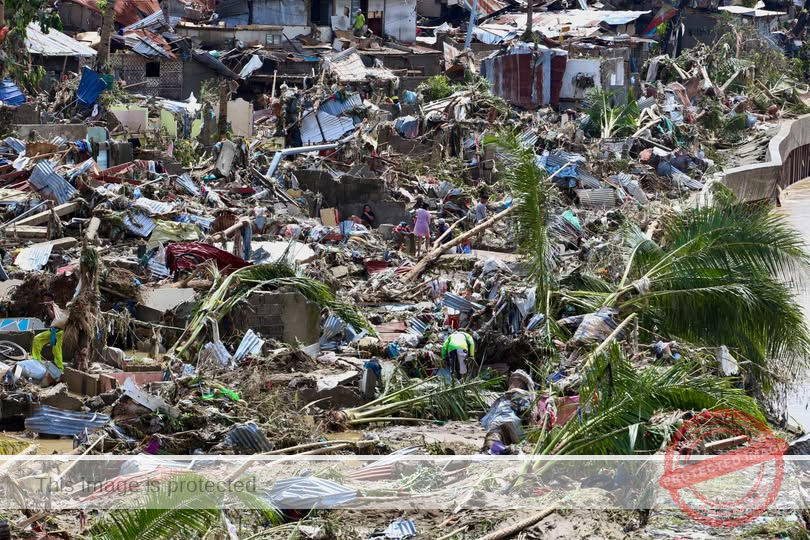
Manila, Philippines – November 5, 2025 – Philippine President Ferdinand Marcos Jr. declared a state of emergency on Thursday, November 4, 2025, following the devastating impact of Typhoon Kalmaegi, which claimed at least 114 lives and left hundreds missing across the central provinces of the Philippines. This marks the deadliest natural disaster to strike the country this year.
What Happened
The typhoon, which made landfall earlier in the week, caused severe flash floods and widespread destruction across the central provinces, particularly in Cebu. The majority of the casualties were attributed to drowning in flash floods, and at least 127 people remain missing, many of them in Cebu province. The typhoon exited the archipelago on Wednesday, heading out into the South China Sea, but not before leaving behind significant damage.
The Philippine government’s disaster-response officials have confirmed that nearly 2 million people were affected by the storm, with over 560,000 displaced. Among those, 450,000 people were evacuated to emergency shelters.
President Marcos’s declaration of a “state of national calamity” will allow the government to expedite the distribution of emergency funds and prevent price gouging or food hoarding during the crisis. The state of emergency also facilitates the allocation of resources for recovery and relief efforts.
The Toll and Ongoing Challenges
The typhoon’s flash floods caused river systems in Cebu to swell, submerging entire residential communities. Many residents were forced to climb onto their rooftops to escape rising floodwaters, where they pleaded for rescue as the situation worsened.
In Cebu, at least 71 people were confirmed dead, mostly due to drownings. 65 others are missing, and 69 sustained injuries, according to the Office of Civil Defense. The situation is dire in Negros Occidental, a province near Cebu, where 62 individuals have been reported missing.
The disaster has been compounded by ongoing problems in Cebu, where illegal quarrying activities and substandard flood control projects worsened the flooding. Gov. Pamela Baricuatro of Cebu remarked, “We did everything we can for the typhoon, but you know, there are really some unexpected things like flash floods.” She also acknowledged the impact of corruption scandals involving inadequate flood control projects, which have sparked public outrage and protests in the country.
Cebu was still recovering from a 6.9 magnitude earthquake that struck on September 30, 2025, which killed at least 79 people. Many of those displaced by the earthquake were relocated to sturdier shelters before the typhoon struck. Northern Cebu, which was devastated by the earthquake, was spared from the worst of Kalmaegi’s flooding, though it did face the typhoon’s winds.
Other Disruptions
In addition to the human toll, the typhoon’s impact on transportation has been significant. The Philippine Coast Guard prohibited ferries and fishing boats from venturing into increasingly rough seas, stranding more than 3,500 passengers and cargo truck drivers at nearly 100 seaports. Furthermore, 186 domestic flights were canceled due to the typhoon’s impact.
The Philippines and Natural Disasters
The Philippines is one of the world’s most disaster-prone countries, often affected by typhoons, earthquakes, and volcanic activity. The country is hit by around 20 typhoons and storms each year and has over a dozen active volcanoes. The devastating toll of Typhoon Kalmaegi underscores the ongoing vulnerability of the nation to natural disasters.
Closing
As the country continues to grapple with the aftermath of Typhoon Kalmaegi, the government, local authorities, and relief organizations are working tirelessly to provide aid and support to those affected. The full scope of the disaster continues to unfold, but the priority remains on saving lives, providing shelter, and addressing the immediate needs of displaced communities.
This story may be updated with more information as it becomes available.
