
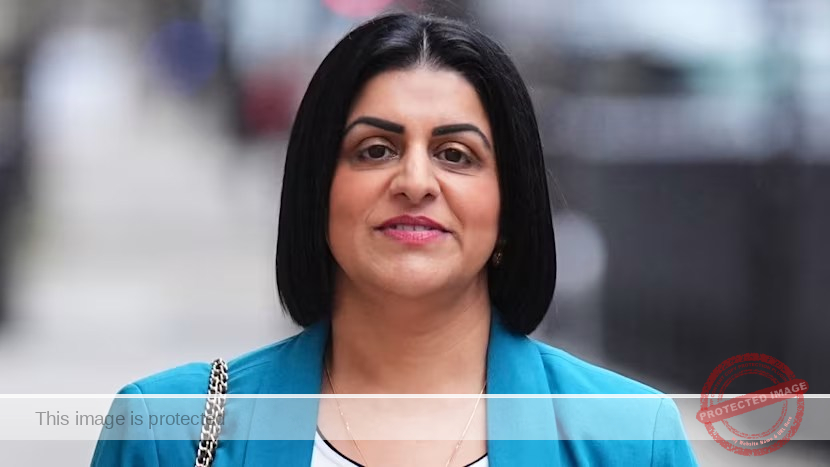
LONDON, U.K. — Home Secretary Shabana Mahmood has unveiled plans to overhaul the UK’s asylum and human rights laws, aiming to make it easier to deport illegal migrants and limit repeated appeals. The announcement, made ahead of a statement in the House of Commons on Monday, is being described as the most significant reform to Britain’s asylum system in the modern era.
What Happened
The proposed reforms will target how Article 8 of the European Convention on Human Rights (ECHR) — the right to family life — is applied in migration court cases. Under the new rules, only migrants with immediate family in the UK, such as parents or children, will be able to use Article 8 as grounds to remain.
Home Secretary Shabana Mahmood also announced plans to restrict failed asylum seekers to a single route of appeal, preventing multiple attempts that have previously delayed deportations. The reforms include faster processing of last-minute appeals, stricter scrutiny of modern slavery claims, and the creation of an independent body to fast-track the removal of dangerous criminals, drawing inspiration from Denmark’s asylum system.
Mahmood cited a rise in rights-based appeals as a reason for the shake-up, asserting that some serious criminals have used the system to avoid deportation. She warned that without reform, public support for the asylum system could “disappear” due to what she described as an “out of control” process.
Background on Shabana Mahmood and the Case
Shabana Mahmood, 45, has served as the UK Home Secretary since 2024 and is responsible for immigration, law enforcement, and border security policies. Mahmood emphasized that the reforms aim to balance the country’s tradition of generosity with the need for order and control.
The proposals come amid rising asylum arrivals, with 39,075 people entering the UK this year, surpassing figures for 2024 and 2023. The Home Office has stressed that the reforms will allow Britain to maintain its humanitarian commitments while preventing misuse of the system.
Case Details and Proposed Reforms
Key measures in the proposed overhaul include:
-
Limiting the use of Article 8 in deportation appeals to immediate family cases.
-
Restricting failed asylum seekers to a single appeal attempt.
-
Reviewing refugee status periodically, making it temporary to encourage return when safe.
-
Tightening scrutiny of modern slavery claims.
-
Reducing guaranteed housing and weekly allowances for asylum seekers.
-
Introducing safe and legal routes to the UK to reduce dangerous Channel crossings.
The government argues that these changes are necessary to prevent abuse of the asylum system and ensure public confidence, while critics warn the reforms could harm genuine refugees and vulnerable people.
Public and Social Media Reactions
The announcement has drawn immediate reactions from charities and advocacy groups. The Refugee Council called the reforms “harsh and unnecessary,” warning they could cost £872 million over ten years and hinder refugee integration.
Enver Solomon, CEO of the Refugee Council, stated: “This will not deter dangerous crossings, but it will unfairly prevent men, women, and children from integrating into British life.”
Sile Reynolds of Freedom from Torture criticized the proposals as a “race to the bottom” in political rhetoric, adding: “This is a cynical attempt to scapegoat vulnerable people for political gain. We can and must do better.”
Social media users have debated the reforms, with hashtags such as #UKAsylumReform trending, reflecting both support for stricter immigration control and concern for refugee rights.
Official Statements and Next Steps
Home Secretary Mahmood stressed that Britain must “restore order and control” to maintain its capacity for sanctuary. Prime Minister Sir Keir Starmer backed the changes, emphasizing that the UK will remain “fair, tolerant, and compassionate” while ensuring borders are secure.
The Home Office will bring forward a Bill in Parliament to implement these reforms. Consultation with other countries is planned to address the application of Article 3 ECHR regarding the prevention of torture and inhuman treatment. Public feedback and parliamentary debate will shape the final legislation, expected to take effect in the coming months.
This story may be updated with more information as it becomes available.
