
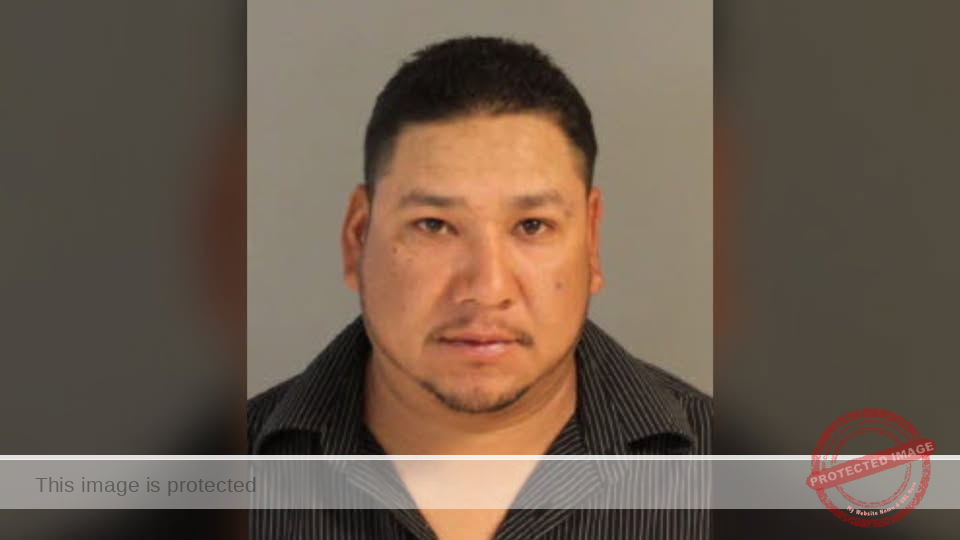
MEMPHIS, Tenn. — Antonio Naranjo Soria, a 48-year-old Mexican national and registered sex offender, has been taken into federal custody once again following a traffic stop in Memphis, Tennessee. Soria has previously been deported from the United States twice after a sexual battery conviction eight years ago.
What Happened
The Memphis Safe Task Force apprehended Antonio Naranjo Soria after a routine traffic stop. U.S. Immigration and Customs Enforcement (ICE) confirmed that Soria is now in federal custody. This marks the third time Soria has been detained by U.S. authorities since his convictions for sexual offenses and other crimes.
Who Is Antonio Naranjo Soria
Antonio Naranjo Soria, 48, was indicted for rape in Shelby County, Tennessee, in 2016. He later pleaded guilty to a lesser charge of sexual battery and was sentenced to three years and six months in the Shelby County Department of Corrections, starting in February 2017. Following his release, he was added to the Tennessee Sex Offender Registry, where his last known address was in Louisiana.
Case Details
Records show that Soria was deported from the United States in 2018 and again in 2022. In addition to his sexual battery conviction, Shelby County court documents list prior convictions for cocaine possession, driving without a license, and speeding in 2003 and 2004. Federal authorities are monitoring Soria’s custody status to prevent further criminal activity.
Public and Law Enforcement Response
The Memphis Safe Task Force and ICE have emphasized the importance of public safety and tracking registered sex offenders. Law enforcement officials have urged communities to remain vigilant and report any suspicious activity related to individuals on the sex offender registry.
Official Statements and Next Steps
Soria remains in ICE custody as federal authorities determine the next steps regarding his detention and possible deportation. Officials have not provided an exact timeline for legal proceedings, but his repeated deportations highlight the challenges of monitoring high-risk offenders in the U.S.
This story may be updated with more information as it becomes available.
