
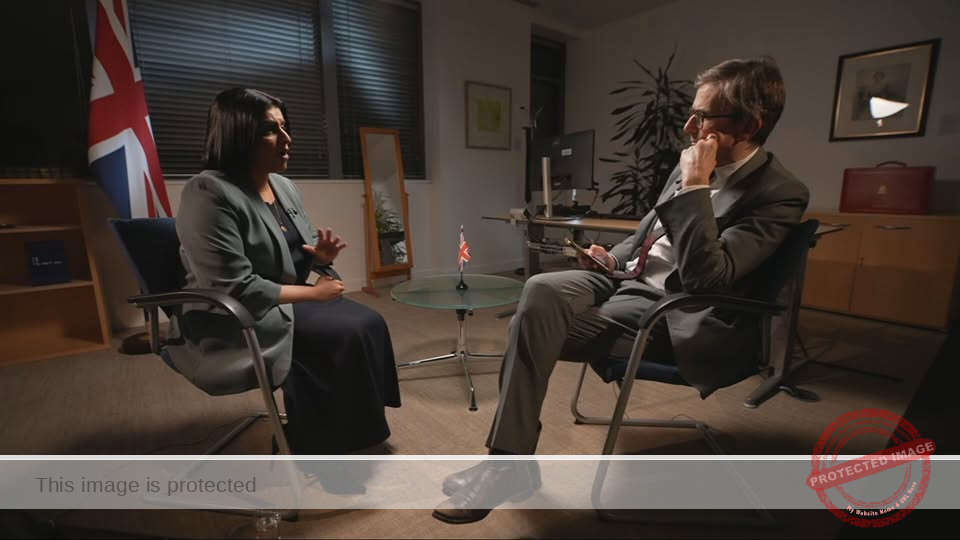
London, UK – November 17, 2025 – Home Secretary Shabana Mahmood has made it clear that she “makes no apology” for the sweeping reforms she unveiled to overhaul the UK’s asylum system. Speaking to ITV News on Tuesday, Mahmood defended the government’s radical package of changes, which it claims to be the most significant reform in “modern history.”
What Happened
Mahmood’s reforms, which aim to curb the number of asylum seekers arriving in the UK, have sparked growing criticism from within her own Labour Party and from her political opponents. She justified the reforms by arguing that the UK’s asylum system is too generous compared to other European nations, and that the country is attracting too many applicants.
In her remarks to the House of Commons, Mahmood argued that the UK’s laws were incentivizing dangerous migration routes, including the perilous Channel crossings that have claimed countless lives. “I want to disincentivize people from getting on dangerous boats… and coming across a very dangerous channel crossing,” she explained.
Who is Shabana Mahmood?
Shabana Mahmood, who became Home Secretary in 2024, has long been an advocate for immigration reform. As a politician of Pakistani descent, Mahmood has faced her own share of racial prejudice throughout her career. However, her new stance on immigration has stirred both support and controversy, as the UK grapples with the complexities of its asylum system.
In her new role, Mahmood has sought to reshape the country’s immigration policies, prioritizing controlled migration over spontaneous asylum claims. Her reforms aim to introduce more “safe and legal routes” for refugees while limiting illegal crossings. While critics argue that the reforms may alienate vulnerable groups, Mahmood stands firm in her belief that they are necessary to fix a broken system.
Career, Legacy, and Contributions
Mahmood’s new immigration policies have already sparked intense debate, with Labour MPs and others in her party questioning whether the government’s approach is too harsh. However, Mahmood has remained resolute, emphasizing that her actions are driven by a responsibility to fix a system she believes is failing.
The Home Secretary also faced direct criticism from figures like Nigel Farage, who suggested she was aligning with more hardline political groups. Mahmood shot back at Farage, calling his opinions irrelevant and asserting that her actions are not politically motivated. “I’m not making a political calculation here,” she said, stressing that her priority is addressing the systemic issues within the asylum process.
While the reforms have garnered negative reactions from some factions, Mahmood insists that they are necessary to maintain public consent for the UK’s asylum system. She argued that public anger and resentment over the current state of affairs could lead to further division in the country, and it is her job to repair the system and unite the population.
Public and Social Media Reactions
Reactions to Mahmood’s reforms have been mixed. Her defenders argue that her changes are a much-needed overhaul to a broken asylum system, one that has been seen as too permissive and inefficient. However, her critics, particularly within the Labour Party, believe the reforms could be damaging to vulnerable groups, and the timing of the changes—just ahead of the upcoming national elections—has raised concerns about political motivations.
On social media, the backlash has been swift, with many questioning whether the reforms risk stoking xenophobia and racism. One Twitter user commented, “How can the Home Secretary claim to care about fairness when her policies will only make life harder for those in need of refuge?”
Others have voiced support, calling Mahmood’s approach a necessary step in protecting the integrity of the UK’s immigration system. “We need to control immigration and make sure it is done in a way that is fair and safe,” one supporter tweeted.
Official Statements and What Happens Next
Despite the growing backlash, Mahmood remains committed to her vision for the future of the asylum system. She has called for a “safe and legal route” for refugees, with a focus on community sponsorship and skilled refugees, as well as opportunities for student refugees. However, she admitted that the implementation of these safe routes will begin modestly, with only a few hundred individuals initially benefiting from the changes.
The Home Secretary also acknowledged the need for patience, as the new routes will grow over time. “The vision I have for the system that we want to run… will grow with time,” she said.
As the political fallout from Mahmood’s reforms continues to unfold, the government’s response to public outcry and potential backlash from voters will likely play a significant role in shaping the conversation leading into the 2026 national elections.
Closing
This story may be updated with more information as it becomes available.
